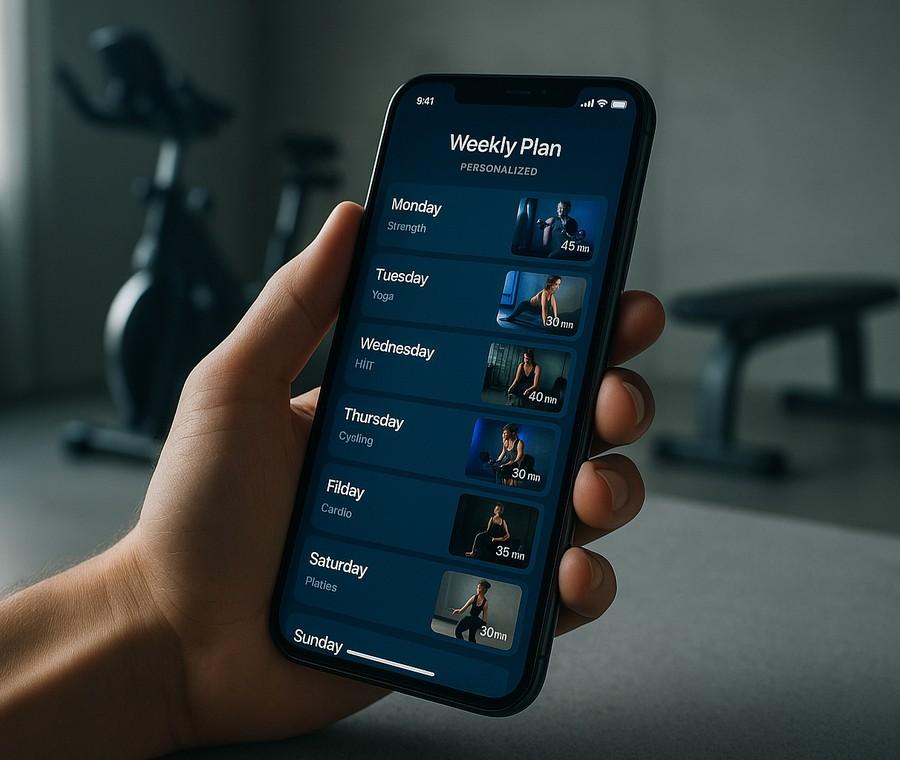
A Coaching Engine
With Nothing to prescribe
Most AI fitness teams arrive at the same wall. The model works, the personalization logic is sound, and the app has nothing to hand the member at the end of it. Filming a library is a production business, and it is rarely the business the founders set out to build.
Licensing solves it in weeks rather than quarters. What matters is not only the number of classes but whether the library is described well enough for software to choose between them without a human curating every plan. That is what Content Licensing delivers here, and it is why the metadata schema matters as much as the footage.
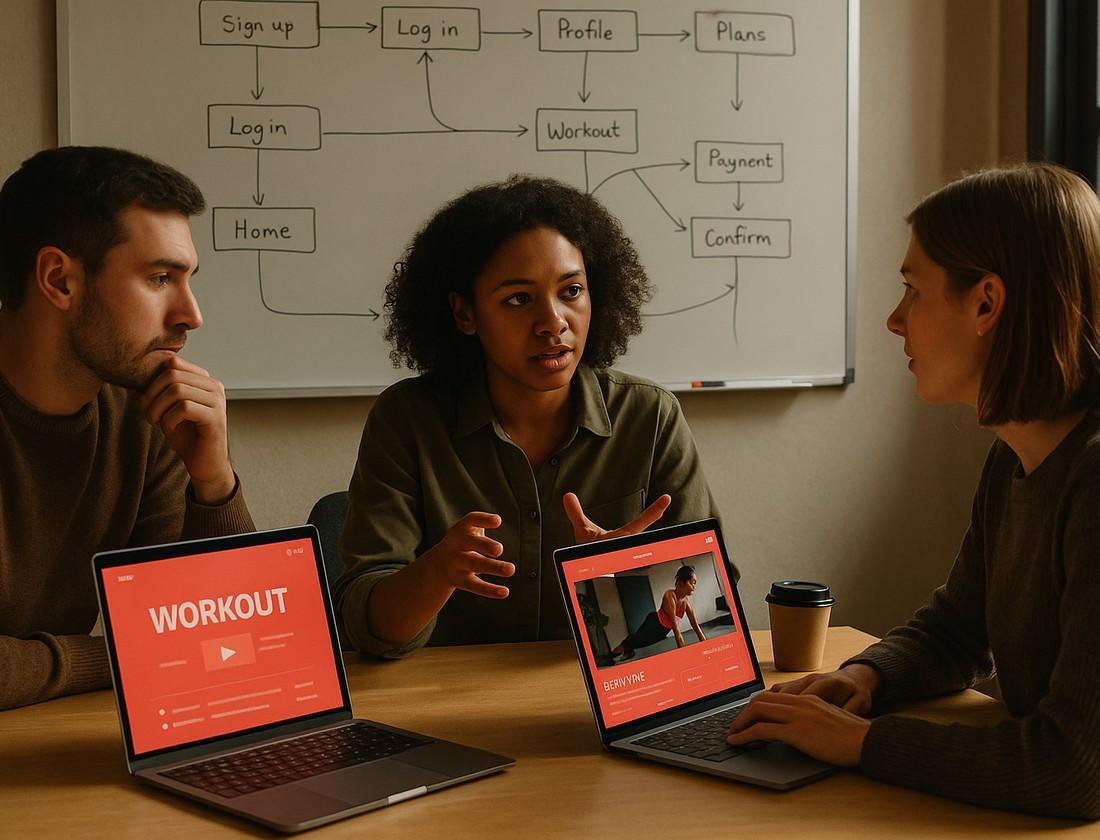
The Engine
And the Content
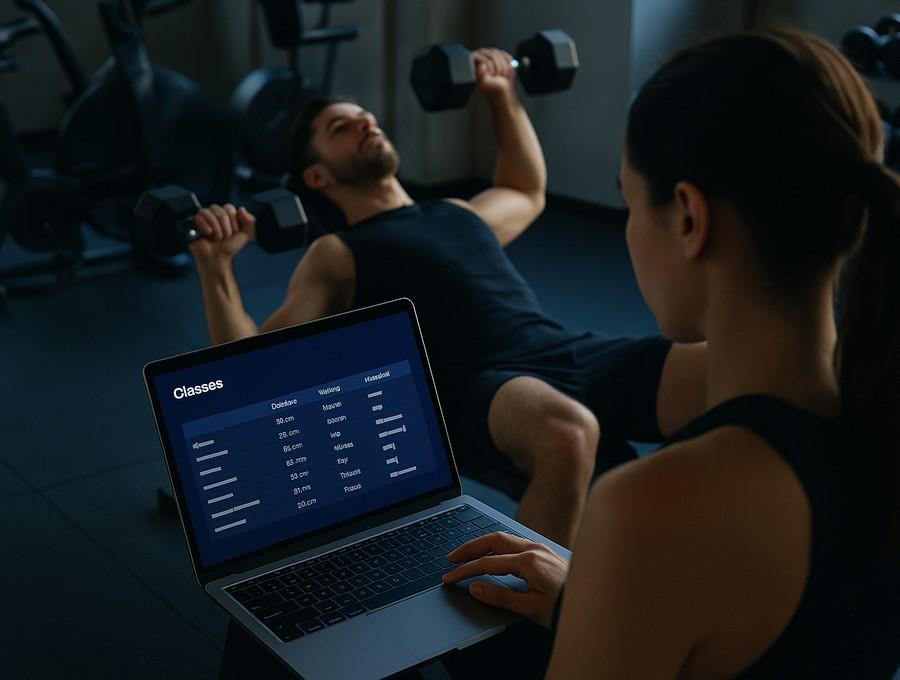
Described for Machines to Read
Every class carries modality, duration, intensity band, equipment required, instructor, and movement focus as structured fields. Your engine filters on those directly instead of parsing a title string.
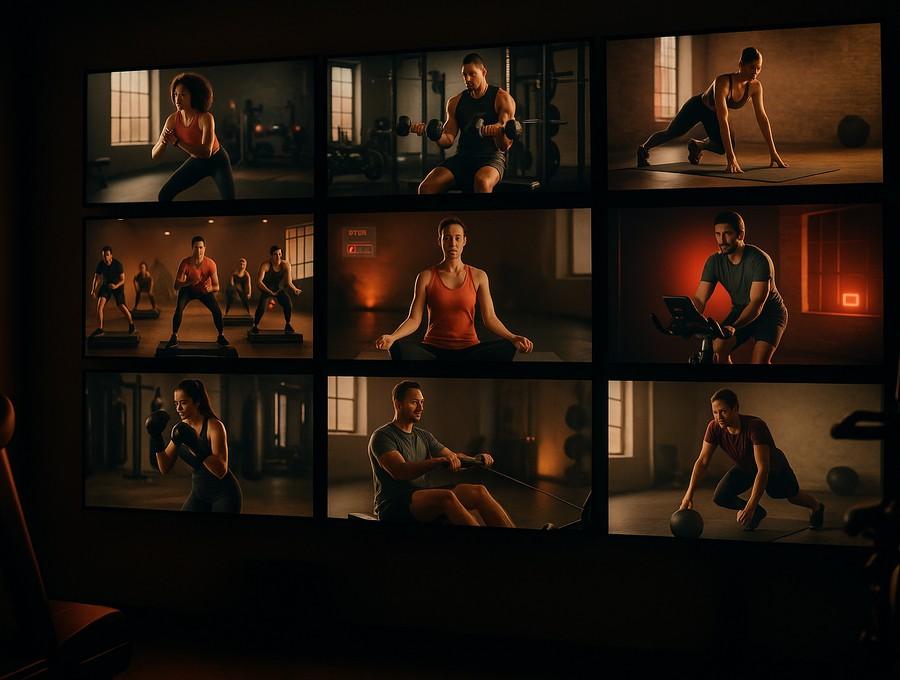
Enough Variety To personalize
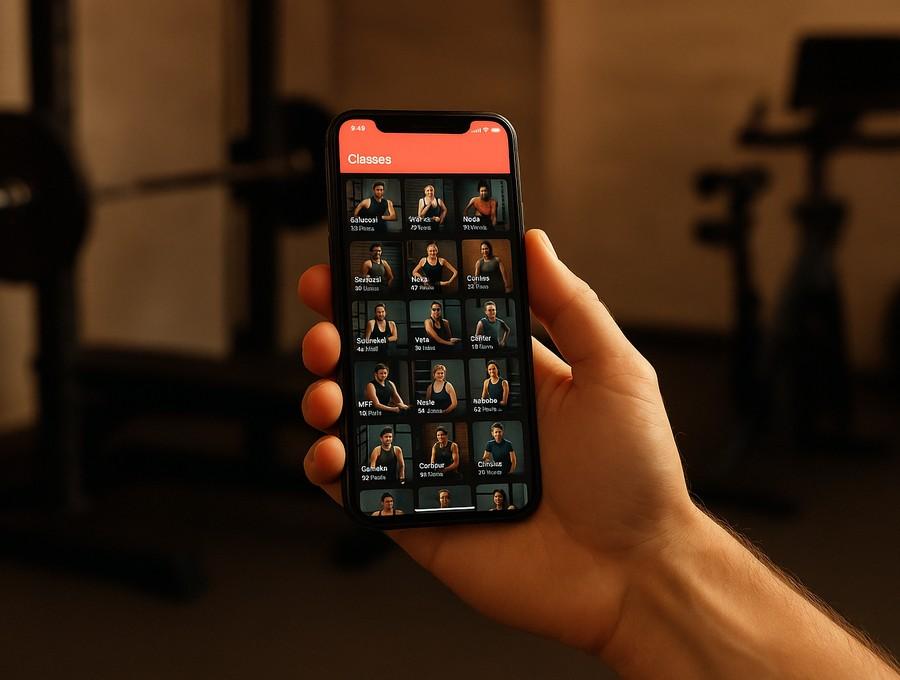
Personalization fails when the catalog is thin. More than thirty modalities across a wide range of durations and intensities means the model has somewhere to go when a member progresses or plateaus.
Predictable Structure Every Class
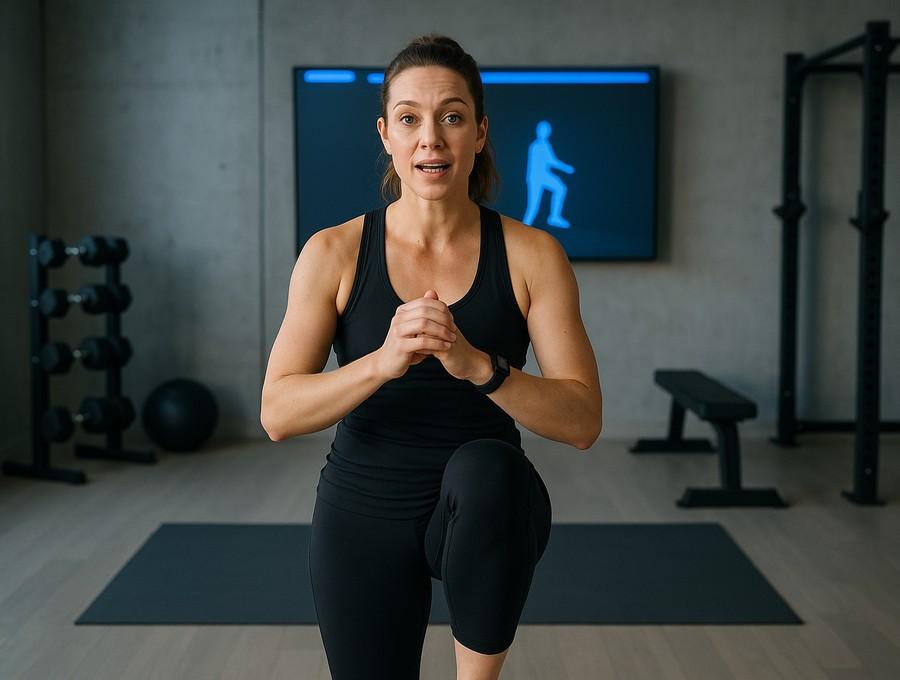
Warmup, work, and cooldown sit in consistent positions with consistent cueing. That predictability is what lets an engine stitch classes into a coherent week rather than a random sequence.
A Library on Day One
Launch with a catalog already deep enough for your model to demonstrate what it does. Adding your own content later does not require replacing what you licensed.
Into Your App,
or onto ours.
License Into Your Build
Take the library and the metadata, and keep the app you have already built. Most teams with a working product choose this.
Launch on Our Platform
If the app is not built yet, license the platform as well and skip the infrastructure work entirely.
Either Way
The content, the metadata schema, and the delivery specs are the same. The choice is about how much you want to build, not about what you receive.
If Your Product Sits Somewhere Else.
Skip the build
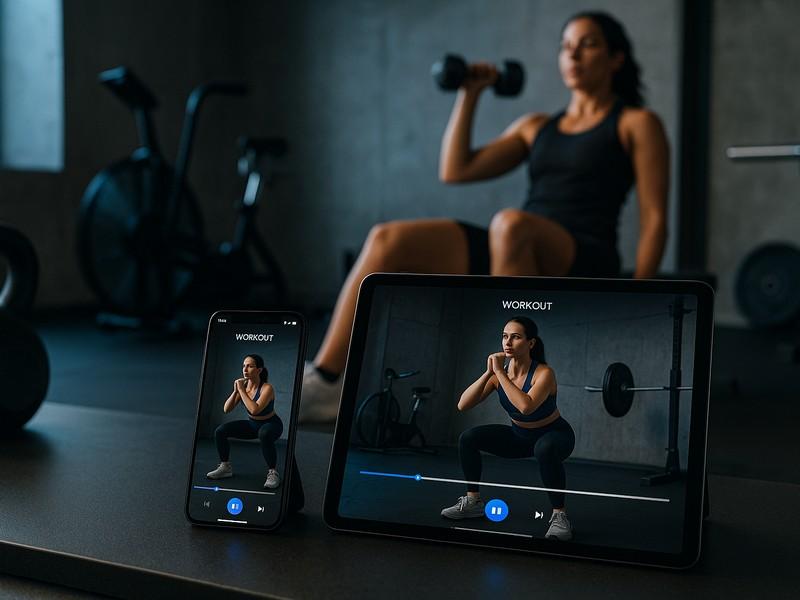
A branded iOS and Android app with equipment pairing already in place, if you would rather not build the delivery layer yourself.
Lower-Intensity Programming
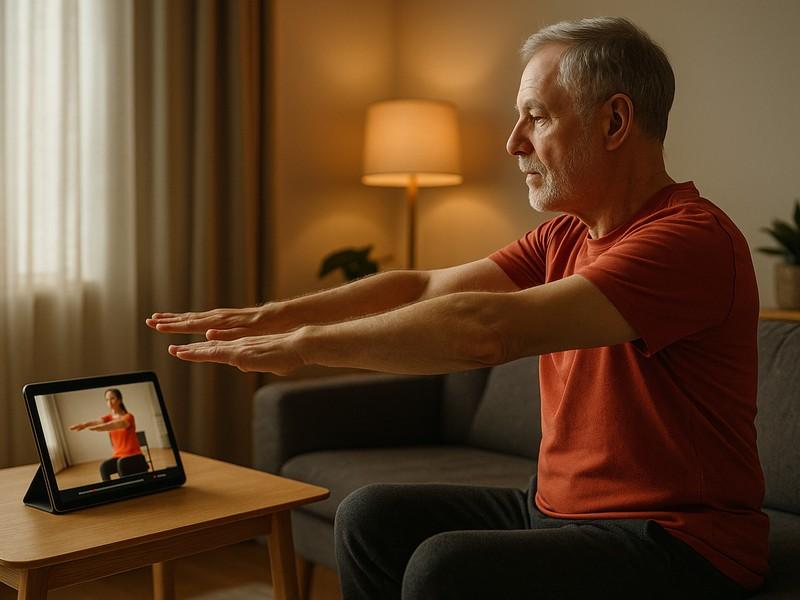
Teams working alongside clinicians need a different intensity profile. The rehab and telehealth page covers that content set.