
Fitscope Studio
January 16, 2026, 1 min
Fitness Content Licensing for Wellness Platforms
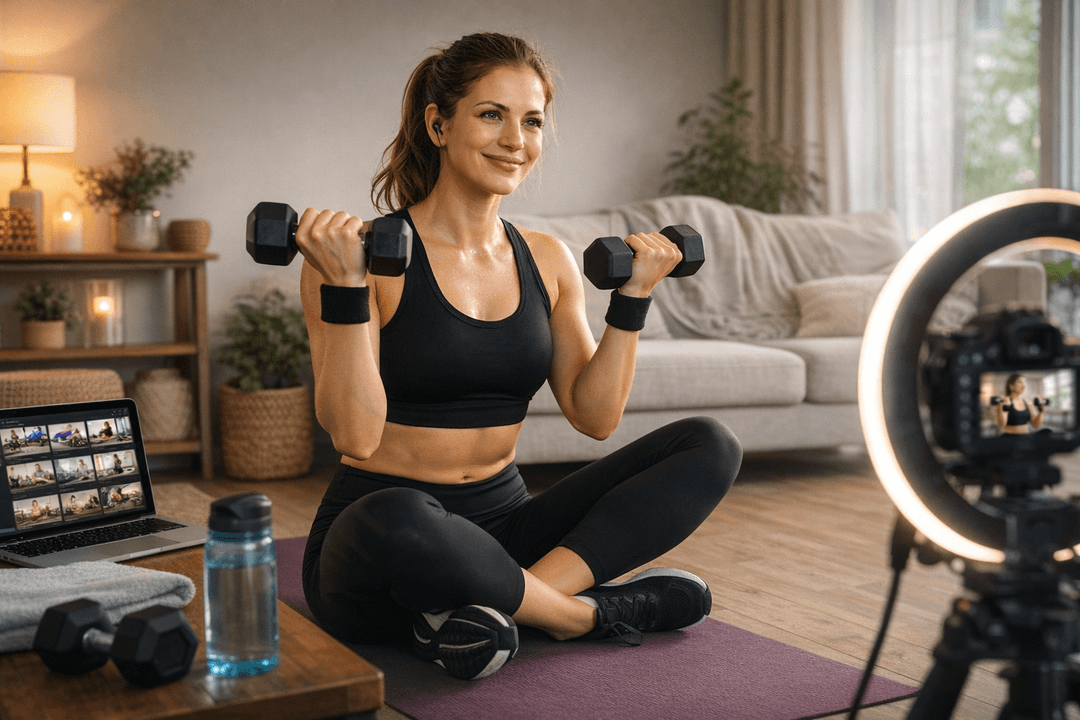
In the evolving landscape of corporate wellness, content is king. Wellness platforms are increasingly turning to fitness content licensing to enrich their offerings with on-demand workouts and wellness videos. Rather than building a workout content library from scratch, licensing ready-made fitness content allows corporate wellness providers to deliver engaging exercise classes, yoga sessions, and more to their members with speed and scalability. This approach addresses a key challenge: keeping employees engaged and active on wellness platforms by providing the on-demand workouts they crave – anytime, anywhere. In this article, we explore why wellness platforms are licensing fitness content, what to look for in a content partner, how to align workout libraries with member goals, integration considerations, engagement metrics, and how to scale from pilot to full program. A special focus is given to FitScope’s enterprise fitness content solutions as an example for corporate wellness and digital health platforms.
Why Wellness Platforms Are Licensing Fitness Content
Employee wellness programs today demand more than step challenges and health tips – they thrive on fresh, high-quality exercise content that employees will actually use. Here’s why many wellness platforms are investing in licensed workout libraries:
Boosting Engagement Through Convenience: Offering a robust library of on-demand fitness classes meets employees where they are – whether in the office, at home, or on the road. Convenience is critical. Recent industry insights confirm that on-demand fitness programs are highly popular in corporate wellness due to their unparalleled convenience, allowing employees to exercise “anytime, anywhere with just a smartphone”. In other words, a digital platform stocked with engaging workout videos lets users fit wellness into their busy schedules, driving higher participation.
High-Quality Content Without High Production Costs: Producing professional workout videos in-house can be time-consuming and expensive, requiring studios, instructors, filming crews, and post-production. Licensing content from an established provider sidesteps these hurdles. Wellness platforms can instantly access a ready-made fitness video library – often hundreds or thousands of classes – at a fraction of the cost of building their own. This means faster time-to-market and continuous fresh content without stressing internal resources. The licensed content is typically created by expert trainers and media professionals, ensuring studio-quality production that elevates the user experience.
Diverse Workouts to Satisfy Everyone: A common pain point for corporate wellness apps is a narrow selection of exercises that fails to excite users. Licensing opens the door to a wide variety of workouts (cardio, strength, yoga, meditation, and more) suitable for all ages and fitness levels. By outsourcing fitness content, platforms can offer something for the marathon runner, the beginner just getting into exercise, and everyone in between. This diversity keeps more employees engaged over time, as they can find classes that align with their personal goals and preferences. It’s a fast way to enrich a wellness offering with depth and breadth that would be hard to create alone.
Meeting Rising User Expectations: Employee expectations for wellness technology have skyrocketed in recent years. Consumer fitness apps and services (streaming workout platforms, smart gym equipment, etc.) have set a high bar for content. To remain competitive and truly support employee well-being, corporate wellness platforms recognize that content must be as innovative as the technology. In fact, organizations with modern, feature-rich wellness platforms (including rich content offerings) see significantly higher engagement – up to 3× higher participation rates – compared to those with outdated or scant content. In short, content licensing is becoming a strategic move to keep wellness programs relevant, engaging, and effective in today’s digital fitness era.
Platform Features Are Strong – But Content Often Falls Short
Many corporate wellness and benefits platforms come packed with great features – gamified challenges, habit tracking, coaching integrations, analytics dashboards – the list goes on. Yet one critical element often lags behind: the content itself. It’s not uncommon for a wellness app to feel like an empty shell when the actual wellness activities (like exercise classes or meditation sessions) are limited in quantity or quality. The result? Even with a strong platform in place, employees may not engage if there’s nothing compelling to watch or do.
The gap between a robust platform and a weak content offering can quickly lead to stagnating participation. Employees log in once or twice, browse a handful of generic videos or articles, and then lose interest. In one case study, a corporate wellness provider found that a “limited content library resulted in a decline in user engagement” on their platform. Simply put, if the wellness content doesn’t excite or inspire, employees will treat the platform as yet another piece of stale HR software. As the wellness industry pundits at WellRight observed, what worked in 2021 now feels ancient to today’s workforce. Stale, one-size-fits-all content can make a high-tech wellness portal feel like “digital paperwork” that employees easily ignore.
Licensing high-quality fitness content is a direct remedy for this problem. It infuses new life into wellness platforms by delivering what users actually want: engaging workouts and wellness experiences. Rather than a static portal, the platform becomes a dynamic hub for healthy activity. Fresh video classes added regularly prevent the “seen it all” syndrome and give employees reasons to return. Additionally, a diverse content library ensures there’s always something relevant for each user – whether it’s a quick stress-relief stretch at lunchtime or a challenging strength workout after hours. External content partnerships can thus transform an otherwise capable wellness platform into an engagement powerhouse, bridging the gap between great features and great outcomes.
What to Look for in a Licensing Partner
Choosing the right content licensing partner is crucial for success. Not all fitness content is created equal, and your reputation with users is on the line. When evaluating enterprise fitness content providers for your corporate wellness or digital health platform, consider the following:
- Library Depth and Diversity: Look for a partner with a comprehensive workout content library covering all major categories and fitness levels. The provider should offer everything from cardio and strength training to yoga, mindfulness, and recovery sessions. A diverse library (including options for beginners, advanced athletes, seniors, etc.) ensures you can serve the varied needs of your member population. Quality matters, too – classes should be led by credible instructors and have high production value (clear audio/video, professional presentation).
- Content Rights and Compliance: Ensure the licensing partner handles all the necessary rights and clearances for the content. This includes music licensing for workout soundtracks, performance rights for instructors, and any copyright issues. Verify that the content can be legally distributed to your entire user base in all your operating territories (e.g. internationally, if applicable). Flexible licensing terms are a plus – for example, options for number of concurrent users or white-label use. You want a partnership that keeps you fully compliant and protected, with no legal headaches down the road.
- Integration and Technical Support: A good content partner will make it easy to deliver videos into your platform. Ask about the technical integration options – do they provide an API or feed for on-demand content? Can they supply metadata (titles, descriptions, categories) in a format that maps to your system? The process of ingestion should be straightforward, and the partner should offer integration support to assist your development team if needed. Consider also how the videos will be hosted and streamed (CDN, platform storage, etc.) and ensure the partner’s solution can scale to your audience. Responsive support is key for quickly resolving any content or playback issues that arise.
- Fresh Content and Updates: User engagement will stagnate if the workout library never changes. Evaluate how frequently the partner adds new classes or updates existing content. Do they film new sessions monthly or quarterly? Will your platform receive these updates automatically? A licensing partner who continually refreshes their library helps you keep the experience evergreen. Some partners may even take requests or curate selections suited to your audience (for example, adding more of a popular category if usage is high). This kind of collaboration ensures the content stays aligned with evolving member interests.
- Reputation and Fit: Finally, do your due diligence on the provider’s track record. How long have they been creating fitness content, and for whom? Check references or case studies if available. The ideal partner will have experience in the corporate wellness or digital health space and understand the needs of enterprise clients (data privacy, reliability, etc.). Also consider cultural fit – content that aligns with your company’s tone (e.g. more meditative vs. high-intensity) and values (inclusive, diverse instructors, appropriate language) will resonate better with your members. If you need some custom or branded content down the line, can the partner accommodate that? Selecting a partner that can grow with you will save headaches as your program expands.
By keeping these factors in mind – content quality, rights, integration, freshness, and credibility – you’ll be well equipped to choose a licensing partner that elevates your wellness platform rather than just filling a content quota.
Learn about our Fitness Video Licensing
Mapping Workout Categories to Member Goals
A licensed workout library isn’t just about quantity – it should also strategically align with the wellness goals of your population. Different employees have different objectives, from improving fitness to reducing stress. The key categories of fitness content you offer should map to these goals, helping each member find relevant classes that keep them motivated. Below are some core workout categories to include, and the member goals they support:
- Cardio & HIIT: High-energy classes like running, cycling, dance cardio, or High-Intensity Interval Training are perfect for employees aiming to improve cardiovascular health, boost endurance, and burn calories for weight management. These on-demand cardio workouts can also provide a quick mood boost and stress relief via endorphins.
- Strength Training: Workouts focused on building muscle – using bodyweight, dumbbells, kettlebells, or resistance bands – help users increase strength, improve bone density, and enhance metabolic health. Strength training sessions align with goals like toning up, supporting healthy weight loss, and improving functional fitness for daily life. They’re often among the most popular content categories for digital fitness users because of their clear, measurable results.
- Yoga & Mindfulness: Mind-body classes such as yoga, Pilates, tai chi, and guided meditation serve members looking to reduce stress, improve flexibility, and support mental well-being. These modalities are crucial for employees dealing with high stress levels or seeking better work-life balance. Including gentle yoga and mindfulness sessions in your library addresses holistic wellness beyond just physical fitness.
- Stretch & Recovery: Recovery-focused content – think stretching routines, foam rolling sessions, mobility drills, and even short massage or relaxation videos – caters to goals around injury prevention, easing muscle tension, and aiding post-workout recovery. Busy professionals appreciate quick stretch breaks that counteract sedentary work days. Recovery classes also emphasize that your wellness program cares about sustainability and long-term health, not just intense workouts.
- Low-Impact & Specialized Programs: It’s important to offer options for those who need low-impact or beginner-friendly workouts. Categories like walking workouts, ergonomic exercises, or senior fitness classes ensure inclusivity for all ages and abilities. Likewise, consider specialized programs (prenatal/postnatal workouts, exercises for back health, etc.) that address specific member populations or health challenges within your organization. Mapping these specialized categories to relevant goals (e.g. healthy pregnancy, improved posture) can greatly increase the personal relevance of your wellness content library.
By covering these categories, your platform’s workout library will support a wide spectrum of member goals – from running a 5K to simply unwinding after a stressful day. Usage data often shows that members gravitate toward a mix of content types for a well-rounded routine. For instance, an analysis of digital fitness users found Strength, Recovery, and Yoga among the top-consumed categories, reflecting a blend of physical and mental wellness priorities. Offering that balanced mix is key to driving engagement: employees can personalize their journey, whether it’s building strength, sweating out stress, or finding a moment of zen.
Integration, Ingestion, and QA
Once you’ve secured a fitness content licensing partner and curated the mix of classes you want, the next step is seamless integration. Technical execution is crucial to ensure the licensed videos feel like a native part of your wellness platform. Here are some best practices for integrating and quality-assuring (QA) the content ingestion process:
Content Delivery and Ingestion: Work closely with the provider to receive the video files or content feed in an optimal way. Some partners will deliver a batch of video files (via cloud storage or FTP), while others may offer an API to pull content on-demand. Determine which method fits your platform architecture. If using a Content Management System (CMS) or a custom app, plan how you will import the videos and metadata. It’s wise to start with a small subset of content as a test import – this helps you iron out any formatting issues. Ensure that each class has all relevant metadata: title, description, duration, instructor name, category tags, difficulty level, thumbnail image, etc., so that it displays correctly in your UI.
Platform Integration: Decide how the videos will be hosted and played. You might host the files on your own servers or use the partner’s streaming solution. In either case, integrate the video player into your app or site in a user-friendly way. Consider features like search, filtering (by class type, length, difficulty), and progress tracking – these may require mapping the partner’s metadata to your platform’s taxonomy. For example, if your app has a section for “Mindfulness”, make sure the imported meditation videos are tagged accordingly. It’s also important to integrate any user data tracking: if you award points or incentives for completing videos, ensure those events are captured when a user finishes a licensed class.
Quality Assurance (QA): Before rolling out content to all users, thoroughly QA the experience. Watch a sampling of the videos across different devices (desktop, mobile, tablet) to verify they play smoothly and at good quality. Check that subtitles or captions work if those are provided. Ensure that the workout metadata appears correctly – are class titles and lengths showing up? Is the difficulty level indicated appropriately? It’s also wise to QA the user flow: for instance, if an employee clicks on a “Yoga” category, do all the expected yoga classes show up? If your platform integrates with wearable devices or equipment (like heart rate monitors or treadmills), test that alongside the videos if applicable. Some advanced platforms even sync workout videos with equipment data – if yours does, make sure the licensed content is compatible with those features.
Content Verification: Another aspect of QA is content appropriateness. Skim through the content to ensure it aligns with your company’s culture and any compliance guidelines. Are the instructors’ language and attire professional and inclusive? (Licensing reputable providers usually mitigates this concern, but it never hurts to double-check.) Also confirm that any promotional references in the videos (e.g., shouting out a brand or product) are acceptable or can be edited out. Most licensing agreements will have vetted this, but your team should be comfortable with every class before it goes live.
Launch Planning: Finally, plan the timing and communication around integrating the new content. It may help to do a soft launch (e.g. release the videos to a small beta group of employees or wellness champions) to gather feedback and ensure everything works in a real-world scenario. This pilot phase leads into the next section – proving engagement and scaling up. By handling integration methodically and verifying quality, you set the stage for a smooth rollout that impresses users on day one.
Proving Engagement: Metrics That Matter
After launching licensed fitness content on your wellness platform, it’s critical to measure its impact. Decision-makers will want to see that the investment in content is driving real engagement and wellness outcomes. Here are the key metrics to track and how they demonstrate success:
Participation Rate: Start with how many people are using the content. What percentage of your eligible population has taken at least one on-demand class? A rising participation rate indicates the content is attracting users who might not have engaged with the platform before. For example, if only 20% of employees used the wellness app prior to adding fitness videos and now 50% are using it, that’s a clear win.
Active Users and Frequency: Look at monthly or weekly active user counts specific to the fitness content. How many unique users view workouts each week? Also measure usage frequency – e.g., the average number of workout sessions per active user per month. These metrics show whether employees are making fitness a habit. An increase in sessions per user (say from 1 per week to 2-3 per week) means the content is fostering regular engagement rather than one-off tryouts.
Content Consumption and Completion: Dive into the content analytics. Which classes or categories are most viewed? Identifying top-performing genres (cardio vs. yoga, etc.) can validate that your library mix matches user interests. Also pay attention to completion rates – what percentage of a video do users watch on average, and are they finishing sessions? High completion rates suggest the content is engaging and appropriately challenging (if users bail after 5 minutes of a 30-minute class, that could indicate the class was too difficult, uninteresting, or poorly presented). Track average watch times and drop-off points for insight.
Engagement Depth: Beyond raw views, consider metrics that show deeper engagement. For instance, how many users mark classes as “favorites,” or schedule workouts via your platform’s calendar? Do you see repeat participation in certain series or programs? If the content allows user ratings or feedback, monitor those qualitative scores. An uptick in positive feedback or class ratings is a strong indicator that the quality of content is resonating.
Wellness Outcomes Indicators: Over the longer term, try to correlate content engagement with wellness outcomes, if possible. This could include changes in health risk assessments, improvements in fitness test results (if you have them), reduced stress levels in surveys, or even healthcare cost trends. While many factors influence these outcomes, demonstrating a link between content usage and positive health changes strengthens the case for content licensing. For example, you might find that employees who take 4+ classes a month report higher energy and lower stress in quarterly pulse surveys than those who don’t – a sign that the program is delivering value.
Retention and Growth: Another angle is looking at user retention. Are employees who engage with the fitness videos more likely to continue using the platform over time? High retention rates among content users (vs. non-users) show that the videos help make the platform “sticky.” You can also track growth in engagement: is the number of classes taken per month increasing as you add new content or as word-of-mouth spreads? Consistent growth patterns indicate sustained interest. For instance, perhaps total class views grew 25% quarter-over-quarter after launching new content – a metric you can proudly report.
ROI and Utilization: For a more financial metric, calculate the utilization of the licensed content in terms of cost-per-engagement. Divide what you spend on licensing by the number of sessions viewed or hours of content consumed. As engagement rises, this cost per use falls, which is a tangible ROI indicator. If you negotiated a license fee for, say, 500 videos, you’ll want to show that those videos are being utilized by employees frequently. High utilization justifies the investment and can support scaling up the content program.
By monitoring these metrics, you’ll gather evidence that fitness content licensing is making a difference. Share these insights with stakeholders – for example, highlight that “over 60% of our employees have engaged with the new workout content, and active users log an average of 3 sessions per week.” Such data points underscore the value of the program in boosting engagement and can help secure ongoing support and budget for content expansion. Remember, engagement is not just about views – it’s about creating a healthier, happier workforce. The right metrics will help tell that success story in quantifiable terms.
From Pilot to Partnership: Scaling With Confidence
Launching a new wellness content initiative can be daunting, which is why many organizations start with a pilot program. A pilot is essentially a test run – it could be with a subset of your employee population (for example, one office location or department) or a limited selection of content – before a full rollout. This approach allows you to validate the content’s impact and iron out any issues on a smaller scale. Here’s how to smartly navigate the journey from pilot to a full-fledged content partnership:
Pilot Phase: During the pilot, set clear objectives and success criteria. For instance, you might aim to have at least 30% of the pilot group try an on-demand workout in the first month, or to see overall platform logins increase by a certain amount. Communicate to the pilot participants that a new wellness resource is available and encourage their feedback. This could involve sending a welcome email with instructions on accessing the videos, or even organizing a kickoff “workout challenge” to spark interest. Use the pilot to gather qualitative feedback (“How did you like the classes? Any favorites? Any technical difficulties?”) as well as quantitative data from your metrics dashboard. Keep an eye on the engagement metrics discussed earlier, and note any patterns – e.g., perhaps the yoga and stretching videos are hugely popular in the pilot group, whereas longer HIIT workouts get less traction (this insight could guide content emphasis later).
Iterate and Learn: Treat the pilot as an experiment. What’s working well, and what could be better? You might discover that employees are craving a certain type of content – say, more beginner-level classes – or that they’re mostly exercising at a particular time of day, which could inform how you promote the content. Also, identify any technical hiccups: did all users manage to access the content easily? Were there any streaming issues on certain networks or devices? Use these learnings to optimize the user experience before the full launch. This might mean adjusting the content mix, improving how the classes are organized in your app, or enhancing communications (for example, providing tips on how to cast videos to a TV for a better experience).
Building the Case: The data and testimonials from a successful pilot are your best tools to secure buy-in for expanding the program. Compile a brief report or presentation highlighting the pilot’s outcomes – engagement stats, positive feedback, and any anecdotal success stories (e.g. “One participant said they’ve never been more consistent with workouts thanks to the app’s convenience!”). If you can show that the pilot drove meaningful engagement, management will be more inclined to approve scaling up the licensed content partnership. It’s essentially proving the concept on a small scale to de-risk the larger investment.
Scaling Up: With pilot success in hand, work with your content partner to scale the program confidently. This often involves unlocking the full library of content (if you only used a portion for the pilot) and rolling access out to all eligible users. Coordinate the timing so that the expanded content drop happens in conjunction with an internal marketing push – for example, an announcement from leadership about the new wellness resource, or an “open house week” where employees are encouraged to try any class and possibly win wellness points or rewards. The goal is to generate excitement and awareness as you go big.
As you scale, maintain close communication with the content partner. This is when the relationship truly becomes a partnership. You might schedule regular check-ins to discuss content performance, share user feedback, and plan upcoming content updates or campaigns (such as introducing a new series of classes for an upcoming wellness challenge). Ensure you also address operational details at scale: confirm that licensing terms cover the larger user base, that your technical infrastructure can handle the increased load, and that support channels are clear if issues arise for any user.
Continuous Improvement: Finally, treat the full program as an ongoing cycle of improvement. Keep monitoring engagement metrics and gather feedback periodically. Perhaps run quarterly surveys asking employees what they think of the content and what they’d like to see more of. Many successful wellness programs evolve over time – adding new content categories, integrating with wearable devices, or coordinating virtual group workouts – based on user interest. Your licensing partner can be a great ally here, suggesting new content or features from their experience with other clients. By continuously tuning the program and showing responsiveness to employee needs, you’ll sustain engagement in the long run. This also solidifies the partnership with the content provider as you both share a common goal: helping your population stay healthy and engaged through excellent content.
From a single pilot to a multi-year, scaled partnership, the journey will yield valuable insights at each step. Taking a phased, data-driven approach ensures you scale with confidence, knowing that the content is delivering real value to your organization and that any challenges have been addressed in advance. By the time your fitness content program is enterprise-wide, you’ll have a well-oiled machine – a platform rich in wellness content, an engaged user base, and a trusted partner helping you keep things fresh and effective.
Explore FitScope’s Content Licensing Program
As you evaluate solutions to enhance your wellness platform with world-class content, be sure to explore what FitScope has to offer. FitScope Studio specializes in high-quality, ready-made fitness content for organizations like yours – providing a turnkey library of on-demand workouts that can be licensed and integrated into your platform. With thousands of studio-produced classes led by top instructors, FitScope’s library enables you to deliver the variety and professionalism your members expect.
What makes FitScope’s content library stand out? For starters, it’s incredibly comprehensive. FitScope produces workouts across more categories than anybody else – including cycling, treadmill running, rowing, elliptical, stair climbers, strength training with free weights, yoga and Pilates, bodyweight bootcamps, stretching routines, and more. Whether your users prefer heart-pumping cardio or calming mind-body sessions, beginner tutorials or advanced challenges, the FitScope library has them covered. All classes are filmed in a dedicated Los Angeles studio with high production values, so your members get the feel of boutique fitness classes right on your platform. Engaging trainers and polished cinematography ensure a premium experience that reflects well on your brand.
FitScope’s content is also designed with enterprise needs in mind. The FitScope Content Licensing program offers flexible terms to suit wellness platforms, insurance providers, corporate benefit portals, and even fitness equipment manufacturers. Content can be delivered quickly and affordably, no matter the size of your business. Crucially, all music and media rights are handled by FitScope – every class comes with cleared music licensing and performance rights, so you can stream workouts worry-free. You can choose license durations that fit your strategy (short-term campaigns or multi-year engagements), with options to refresh or swap out videos over time to keep things fresh. FitScope’s team will work with you on the integration process, ensuring you receive videos and metadata in the format you need for a smooth ingestion into your app or website.
In addition to the expansive workout classes library, FitScope provides support for a wide range of exercise equipment and tracking technologies. If your wellness platform connects with cardio machines or wearables, FitScope’s content can complement that connected experience. (They even offer a white-label platform solution for equipment makers, highlighting their tech expertise alongside content.) And if you find gaps in the content relative to your audience’s desires, FitScope can help there too. Through its production services, FitScope can create custom-branded fitness content for your organization – from casting talent and filming classes to editing and quality assurance. This means if you ever want bespoke videos (say, a welcome workout series featuring your company’s messaging or a specific modality not in the standard library), you have a partner ready to produce it, 100% focused on fitness.
FitScope has already partnered with various innovators in fitness and wellness – from gym franchises and equipment brands to digital health platforms – so they understand the unique challenges of enterprise wellness. Their content has been proven to engage users and add value to platforms by providing that “wow” factor of on-demand classes. As you consider next steps, FitScope invites you to explore their library or speak with their team about how a ready-made fitness video library could elevate your wellness program. With FitScope’s flexible licensing, professional content, and supportive partnership, you can deliver an instant upgrade to your platform’s wellness experience.
Ready to take the next step? Check out FitScope’s on-demand class categories and see the quality for yourself, or reach out to discuss a content pilot. Empower your wellness platform with the fitness content that keeps employees coming back – and make healthy engagement the new normal at your organization. With the right content partner, you’ll not only license videos, but also license a more active, engaged, and happy workforce. Here’s to a fitter future for your wellness platform – and a meaningful boost to the well-being of those you serve.

Commercial Subscription
Allows Fitscope classes to be used in a commercial gym or boutique studio (1 location) with up to 500 members. Multiple simultaneous users enabled. Lets Talk!

© Fitscope Technologies LLC, 2023
Powered by  Fitcaster