
Fitscope Studio
December 12, 2025, 1 min
What Muscles Does Cycling Work? Complete Guide to Cycling Muscle Groups
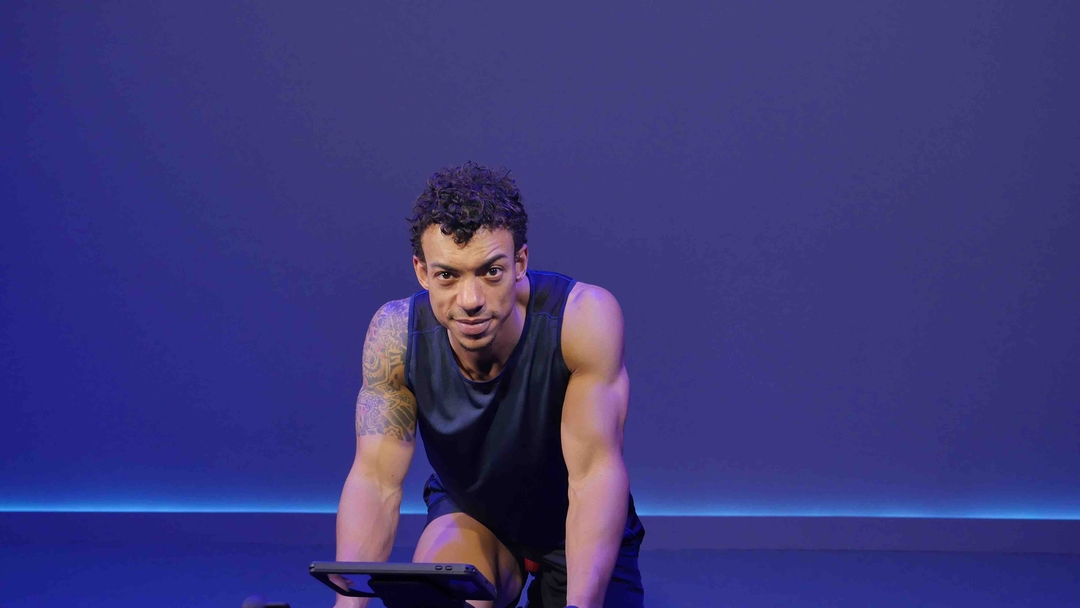
Cycling isn’t just a cardio blast for your lungs – it’s a full-body effort that engages more muscles than you might think. If you’ve ever wondered what muscles does cycling work, the short answer is “almost all of them.” Of course, your legs do much of the heavy lifting, but your core and even your upper body play important supporting roles. In this complete guide, we’ll break down the key muscle groups cycling works and how to train them effectively. By understanding the muscles worked in cycling, you can pedal stronger, avoid injury, and get even more out of every ride.
Whether you ride on the road or hop on an indoor bike, cycling can be one of the best types of full-body workouts that strengthens and tones you from head to toe. It will come as no surprise that the lower body muscles do most of the work, but you won’t get far unless your core and upper body chip in too. Let’s explore each muscle group engaged by cycling and how you can target them for maximum benefit.
Lower Body Focus
Pedaling Powerhouses: Your lower body is the driving force of every pedal stroke. The primary cycling muscle groups include the quadriceps, hamstrings, glutes, calves, and hip flexors. These muscles work together to push the pedals down and pull them up, propelling you forward with each rotation. In fact, as one expert puts it, your legs are a cyclist’s pistons – the glutes, quadriceps, hamstrings, and calves generate most of your cycling power.
- Quadriceps (Thighs): The quads are the four-part muscles on the front of your thighs, and they’re the stars of the downstroke. Every time you push down on the pedal, your quadriceps contract to extend your knee and drive the pedal forward. It’s no wonder cyclists often develop toned, muscular quads. Seated cycling and steady flat rides heavily recruit the quads. If you feel the burn in the front of your thighs during a tough interval, that’s your quads working hard.
- Glutes (Buttocks): Your gluteal muscles – particularly the gluteus maximus – are among the strongest muscles in the body and a major source of cycling power. The glutes fire as you extend your hips on each pedal stroke, especially during climbs or when you increase resistance. Standing up out of the saddle (like on a hill sprint) really activates your glutes even more, as you hinge at the hips and drive downward. Many riders, especially those who stay seated a lot, don’t fully tap into their glutes. Focusing on squeezing your butt muscles at the top of the pedal stroke can help engage them. Off the bike, doing some strength training for your glutes (think squats and deadlifts) will increase your pedal power and prevent muscle imbalances.
- Hamstrings (Back of Thighs): The hamstrings work in harmony with your quads on the pedal stroke. Located on the back of your thighs, they engage primarily during the upstroke – when you pull the pedal from bottom back to top. As you bend your knee to recover the pedal, the hamstrings contract to help lift it. You might not feel them as obviously as your quads, but they’re working every cycle. In a proper pedaling technique (especially if you’re clipped into the pedals), you “scrape” back and up, which really engages the hamstrings and even the hip flexors. Regular cycling will tone your hamstrings, though they can get tight from the repetitive motion. Remember to stretch your hamstrings after rides to maintain flexibility and prevent stiffness in the backs of your legs.
- Calves (Lower Legs): Cycling is also a surprisingly effective calf workout. The calf muscles – the gastrocnemius and soleus – contribute during both downward and upward phases of pedaling. As you push down, you naturally point your toes a bit (a motion called plantarflexion), which calls on the calves to stabilize your ankle. Then on the upstroke, the front of your shin (tibialis anterior) helps flex your foot upward (dorsiflexion), and the calves assist in smoothly bringing the pedal back up. Over time, this repeated action can give you defined, muscular calves. Many people notice their calves look more toned from cycling, partly because these muscles get frequent use and tend not to carry much fat.
- Hip Flexors: The hip flexors, including the iliopsoas group at the front of your hips, are the unsung heroes of the pedal stroke. When you drive your knee upward to initiate the upstroke, your hip flexors engage to lift the leg. This is especially important during high-cadence spinning or steep climbs when you’re pulling up harder. If you ever feel tight at the top of your thighs or hips after a ride, that’s because the hip flexors have been repetitively contracting. Keeping them flexible is key – incorporate lunges or hip stretches post-ride so those hip flexor muscles don’t shorten and affect your posture. Strong hip flexors also contribute to a smooth pedal stroke, though like the hamstrings, some coaches suggest you don’t need to actively pull up hard with them on every stroke (your body naturally finds an efficient rhythm). Still, being aware of their role helps you develop a full 360-degree pedal technique.
Seated vs. Standing vs. Sprinting: How you ride can shift the emphasis among these lower body muscles. In seated cycling (especially on flat terrain or low resistance), your quads tend to dominate the effort with steady help from hamstrings and calves. When you stand up out of the saddle, you recruit more glute power and put additional load on your calves (since you’re essentially doing mini calf-raises with each pedal). Standing to climb a hill or do a sprint lets you use your body weight and engage those glutes intensely – you might notice the next day that your backside feels the workout! In an all-out sprint, whether seated or standing, virtually all these muscles fire on overdrive: quads and glutes driving down, hamstrings and hip flexors quickly pulling up, and calves stabilizing each powerful push. The takeaway: vary your riding position during workouts. Alternate between seated drills and standing climbs to challenge different muscles and build well-rounded leg strength.
Core Activation
If you’ve ever done a tough ride and felt a bit of soreness in your abs or lower back, that’s because cycling absolutely works your core. While your core muscles (abs, obliques, and lower back) aren’t generating pedal power directly, they are crucial stabilizers that allow your legs to push effectively. Think of your core as the foundation that the rest of your body leverages against. A strong, engaged core keeps your upper body steady and your posture solid, so that all the energy you’re producing in your legs transfers to the pedals instead of leaking away through unwanted movement.
When cycling, your core muscles contract isometrically (holding tension without much visible movement) to keep your torso from swaying or slouching. This is especially important during climbs, sprints, or when you’re out of the saddle. If you jump out of the saddle for a hill, you’ll automatically tighten your belly and back to support yourself – that’s your core preventing you from tipping forward or side to side. A weak core can lead to poor form, like hunching over the handlebars or an achy lower back after long rides. On the flip side, a strong core improves your efficiency and comfort. You’ll have better balance and can generate more power because your body is aligned and stable.
Cycling alone will strengthen your core to a degree, but to really shore up these muscles, dedicated off-bike exercises are wise. Planks, bridges, and bird-dogs are great for cyclists because they target the deep abdominals and lower back muscles used for stabilization. Many riders also add Pilates or yoga to their routine for core strength and flexibility. If you’re looking for structured workouts to hit these areas, check out some of our core workouts classes on Fitscope. Even a quick 10-minute core class on your non-cycling days can pay off on the bike. With a more solid midsection, you’ll find you can climb hills or sprint with better form – and fewer aches and pains. In short, don’t neglect your core; it’s the secret weapon for stronger cycling.
Upper Body Engagement
Cycling is leg-driven, but that doesn’t mean your upper body is just along for the ride. In fact, your shoulders, arms, and upper back play an important supporting role whenever you’re on the bike. You won’t build bulging biceps from biking alone, but you will develop muscular endurance in your upper body from holding yourself in riding position and steering the bike.
- Shoulders & Upper Back: Your shoulder girdle (which includes the trapezius muscles in your upper back and the deltoids in your shoulders) works to support your arm position and head posture. When you lean forward over the handlebars, these muscles engage to stabilize your shoulder blades and keep your neck and upper back in alignment. You may notice after a long ride that you need to roll out your shoulders – they’ve been doing a lot of isometric work! A strong upper back helps prevent the shoulders from rounding forward and collapsing your chest while riding. This is one reason sprinters and mountain bikers often have more upper body development: their disciplines demand aggressive bike handling and out-of-saddle efforts that really call on the shoulders and back. To keep your upper back and shoulders strong, include some rows or pull-ups in your off-bike training, or even incorporate light upper-body moves during a cycling session (some indoor classes include brief sessions with arm weights).
- Arms (Biceps & Triceps): Your arms act as stabilizers and shock absorbers on the bike. The biceps (front of the upper arm) engage when you pull up on the handlebars – for example, when you’re standing on a climb or sprint and tugging on the bars for leverage, you’re effectively doing a biceps curl motion. The triceps (back of the upper arm) engage when you support your weight with straight arms or push against the bar. Think of descending a bump or doing a hard acceleration: you brace yourself by extending your arms, which is your triceps firing. During normal riding, your arms should stay relatively relaxed with a slight bend in the elbows (never locked out), but they are always active to some degree keeping you balanced. Over time, cycling gives you endurance in these muscles – you might not “feel the burn” in your arms during a ride, but rest assured they’re working to keep you stable. If you do very long rides, you might experience fatigue or shaking in your arms; that’s a sign to build more strength there. Simple exercises like push-ups or dumbbell presses can help your arm and shoulder strength, making those long rides feel easier.
- Chest & Grip: The chest muscles (pectorals) also get involved in cycling, albeit subtly. When you are pushing against the handlebars – say, grinding up a steep incline or trying to control the bike over rough terrain – your chest and shoulder muscles activate to provide that push-pull stability. It’s an isometric kind of strength: your pecs help keep your upper body anchored so your legs have a solid platform to push from. Additionally, your forearms and grip strength get a workout simply from holding the handlebars, especially if you’re on a bumpy road or mountain trail. A light grip is best to avoid hand fatigue (try not to death-grip the bars), but over time, cyclists often develop stronger forearms and hands. If you’re new to riding, you might feel sore in your hands or forearms until you build up this endurance.
The upper body muscles used in cycling may not be as obvious as the leg muscles, but they are essential for a comfortable and controlled ride. As your rides get more intense (like fast sprints or technical mountain biking), you’ll rely even more on your upper body. Sprinters, for example, use their arms to rock the bike side to side and maximize power transfer – it’s almost a full-body exercise at that point. For recreational riders or indoor cyclists, it’s still important to maintain some upper body strength. Consider adding a day of strength training for your arms, shoulders, chest and back each week. This will complement your cycling nicely. Even bodyweight exercises or light dumbbell routines can do wonders for your upper body endurance on the bike. The goal isn’t to bench press huge weights; it’s to ensure you have the muscular support to handle long or hard rides without discomfort.
Muscle Emphasis by Effort Type
Not every ride works your muscles in the same way. Different cycling workouts or terrain will put more load on certain muscle groups. Here are a few common effort types and which muscles they hit the hardest:
- Hill Climbs: Grinding up a steep hill (or cranking up the resistance in an indoor class) is a recipe for burning legs! Climbs demand high force on the pedals, which means your cycling muscles worked the most are the glutes and quads. Your butt and thighs will be on fire during a tough climb, because you’re fighting gravity and need maximum power. If you climb in the saddle, you might feel it more in your quads; stand up, and you’ll instantly feel your glutes and calves engage as you drive down with your whole body weight. Hills also make your core work overtime to keep your torso steady on those powerful downstrokes. And don’t forget your arms – you’ll likely be pulling on the handlebars with each pedal push. Many riders love hill workouts for the way they build lower-body strength. Over time, conquering hills leads to stronger, more muscular legs from cycling. Just be sure to mix in easier rides or flat terrain days so your knees and joints get a break from the constant high force of climbing.
- Sprints and HIIT Efforts: In sprint intervals or high-intensity bouts, it’s all about explosive power. You’ll engage every possible muscle fiber to accelerate quickly. The quads and glutes deliver the big power surges, while the hamstrings and calves assist in snapping the pedals around fast. Because sprints are often short bursts, you might not feel the fatigue in the moment, but trust that these efforts are recruiting those fast-twitch muscle fibers in your legs. Your core tightens up to stabilize you, especially if you’re sprinting out of the saddle and rocking the bike for momentum. Arms and shoulders also contribute as you tug the bars side-to-side in a standing sprint or keep the bike straight during an all-out seated sprint. Sprints are fantastic for building muscle definition and anaerobic fitness, but they can be taxing – always warm up thoroughly and start with shorter efforts to train your muscles and nervous system for that quick activation. Over time, interval training can really improve your muscle recruitment and make your “top gear” feel stronger.
- Steady-State Endurance Rides: A longer, steady ride at a moderate pace (whether outdoors or an indoor endurance class) might not leave one specific muscle group completely toast, but it will test your muscular endurance. In these efforts, all the cycling muscle groups work together more evenly. Your quads maintain a rhythmical output, your hamstrings and hip flexors keep up on the upstroke, and your calves contribute every pedal cycle. You might not experience the same acute burn as in a climb or sprint, but after an hour or two, you’ll definitely feel cumulative fatigue. Endurance rides also highlight any weaknesses in support muscles: for example, if your lower back or neck starts aching, it’s a sign those supporting muscles are tiring. These rides are excellent for building fatigue resistance in the muscles – they teach your fibers to fire over and over without quitting. To get the most muscle benefit from steady rides, pay attention to your form: engage your core, keep your pedal stroke smooth, and occasionally change hand positions or standing vs. seated to vary muscle usage. It can also help to incorporate a few hard efforts or position changes even in a long steady ride, just to stimulate blood flow to different muscles and break up monotony.
By mixing up your training with hills, sprints, and longer steady rides, you ensure that no muscle group gets neglected. The variety will challenge your legs in different ways – building both strength and endurance. For example, our Fitscope indoor cycling classes often incorporate intervals and climbs within the same session, so you get a bit of everything. If you prefer a structured approach, you might try a progressive Cycling Plan that schedules a balance of workouts (like intervals on one day, a hill workout another, and a longer ride on the weekend). This way, you target all the muscle fibers and energy systems over time, leading to well-rounded fitness.
Complementary Training for Cyclists
Because cycling is a repetitive motion primarily in one plane, it’s smart to complement your rides with other training. This helps prevent overuse injuries and muscle imbalances, and it can actually improve your cycling performance. Here are some cross-training and strength training tips for well-rounded muscle development:
- Strength Training Off the Bike: Incorporating resistance training is one of the best things a cyclist can do for injury prevention and power. Lifting weights or doing bodyweight exercises a couple times a week will strengthen muscles that cycling might miss (like upper body and certain stabilizers) and boost the power of your pedal stroke. Focus on compound movements: squats, lunges, deadlifts for legs and glutes; and rows, presses, or push-ups for upper body. Stronger muscles mean you can push harder on the pedals and maintain form longer. Plus, strength training increases bone density, which is a nice bonus since cycling alone isn’t weight-bearing. If you’re not sure where to start, try a guided strength training class – Fitscope offers workouts using dumbbells, resistance bands, and more that are perfect for cross-training.
- Core and Flexibility Work: As discussed, a solid core is essential. Adding dedicated core workouts (even just 10-15 minutes) on non-riding days can make a huge difference. Likewise, include flexibility or mobility sessions to counteract tight cycling muscles. Yoga or stretching classes can be fantastic for opening up the hips, quads, hamstrings, and chest. Many cyclists have tight hip flexors and IT bands from all the pedaling, so stretching those out will help you stay comfortable and avoid pain. On Fitscope, you might pair a ride with a short stretching class or check out our yoga-inspired cool-down routines. Remember, improved flexibility will help your muscles recover faster and maintain a healthy range of motion.
- Mix Up Your Cardio: While cycling might be your favorite (ours too!), doing other forms of cardio occasionally can activate different muscles and give your cycling muscles a rest. Consider jogging, swimming, or even hiking on a rest day – these engage muscles in new ways and can highlight areas you might want to strengthen. For example, running will use your hamstrings and calves a bit differently, and swimming can work your shoulders and core more. Even within cycling, you can diversify: try an occasional spin on an air bike or a session on a functional trainer (a machine that involves upper and lower body pushing and pulling). Fitscope has classes for various equipment, allowing you to cross-train without leaving your home. The idea is to challenge your body in new ways so you become an all-around stronger athlete, not just a one-trick pony.
- Rest and Recovery: This is an often-overlooked “training” element. Muscles actually get stronger not during the workout, but during the recovery when they rebuild. So make sure you schedule rest days or light recovery rides. Listen to your body – if your legs are feeling dead, give them a break. Active recovery like easy cycling or a gentle yoga class can promote blood flow without straining your muscles. Also consider tools like foam rolling or massage to help work out tight spots (those calves and quads will thank you). Taking at least one full rest day a week (no intense exercise at all) can help you come back to your next ride fresher and stronger. Remember, preventing overuse injuries by allowing recovery is key to long-term progress.
By complementing your cycling with strength, core, and flexibility training, you’ll not only become a better cyclist – you’ll feel better day to day. You’ll notice fewer nagging aches, more balanced muscle development, and improved performance on the bike. Plus, the variety keeps your fitness routine fun and engaging. One of the great perks of online workout classes is how easy it is to mix and match workouts: you might do a 30-minute ride, then instantly switch to a 10-minute core blast or an upper-body strength circuit. This kind of balanced approach will make you a fitter, more resilient cyclist in the long run.
Quick Tips for Better Muscle Activation
Every cyclist can benefit from a few form tweaks and techniques to engage the right muscles more effectively. Keep these quick tips in mind during your next ride to maximize your muscle activation:
- Engage Your Core: Remember to tighten your abs (as if bracing for a punch) while you ride, especially during hard efforts. A braced core acts like a transfer case, directing power from your legs into the pedals. It also protects your lower back. So, every few minutes, check your posture – draw your belly button in slightly and keep your back flat. You’ll be more stable and powerful.
- Drive Through Your Heels: When pedaling down, think about driving through your heel or mid-foot (not just your toes). This subtle shift can recruit more glutes and hamstrings. Cyclists who only push with their toes often overuse their quads and calves. Keeping your heel slightly down on the power phase helps spread the work to the big muscle groups in your hips and thighs. It might feel different at first, but it can improve your efficiency and muscle balance.
- Pull Up and Push Down Smoothly: Don’t focus only on pushing down – a great pedal stroke has a fluid circle. Imagine scraping mud off the bottom of your shoe as you come through the bottom of the stroke, then lifting your knee up and over the top. This mental cue helps you activate your hamstrings on the upstroke and use your hip flexors, resulting in a more even pedal stroke. If you have clip-in pedals, really use them to pull through and up. You’ll get extra power and reduce the load on any one muscle group.
- Relax Upper Body (But Use It When Needed): Keep your shoulders down away from your ears and arms loose. Tension in your upper body wastes energy and can lead to tight neck and shoulder muscles. Lightly grip the bars – think of your hands as resting on them, not death-gripping. That said, when you need a burst of power (like a climb or sprint), consciously pull on the bars to engage your arms and shoulders in the effort. It’s like having extra leverage. Just remember to relax again when you return to a normal pace.
- Check Your Bike Fit: This isn’t a technique during a ride, but it’s a tip that dramatically affects muscle activation. A proper bike fit ensures the work is distributed to the right muscles. For instance, saddle height influences how much your quads vs. hamstrings engage – too low and you may over-compress your knees and underuse hamstrings; too high and you might strain to reach the bottom of the stroke. Aim for a slight bend in the knee at bottom dead center. Similarly, handlebar position will affect your back and shoulder comfort. If something feels off (like knee pain or back strain), consider adjusting your bike setup. When your bike fits well, you can ride longer with the muscles doing their proper jobs.
- Finish with a Stretch: To keep your muscles firing optimally, end each ride with a quick stretch session. Focus on quads, hamstrings, calves, hips, and lower back. This helps reset muscle length and can improve your next ride’s performance. It’s easier to activate flexible, supple muscles than tight, shortened ones. Only takes 5–10 minutes, but it makes a world of difference in how your muscles feel and function.
Progress Tracking – Beyond the Scale
When focusing on muscle development through cycling, it’s important to recognize progress in ways other than just body weight. Cycling can absolutely help you lose fat and tone up, but some of the best gains are in strength and endurance, which don’t always show up on the scale. Here are a few rewarding ways to track your progress:
Feel the Power: Pay attention to how your rides feel over time. Maybe a hill that used to leave you gasping now feels manageable, or you’re able to push a higher gear on your indoor bike for the same effort. Those are signs your muscles are getting stronger. You might also notice you can sprint faster or hold a challenging pace longer than when you started. Many Fitscope users love to keep an eye on their output metrics (like watts or resistance level) during classes – seeing those numbers climb as weeks go by is concrete proof of muscle gains. Celebrate these performance improvements! They’re a direct result of your muscles adapting and getting more powerful.
Mirror Check and Fit of Clothes: It’s not vanity – noticing changes in your body’s shape or how your clothes fit is a legitimate measure of progress. After consistent cycling, don’t be surprised if your legs look more defined. Many people find their quads and calves firm up, and yes, you might even develop those sought-after cyclist calves! Your glutes can become more lifted and firm from all the hill climbs and saddle time. Take progress photos every month or so, or note if your jeans are looser in the waist but a bit snug in the thighs (hello, muscles!). These visual and fit changes mean you’re building muscle and losing fat, even if your weight stays constant. Muscle is denser than fat, so a stronger, leaner body might weigh the same but look and feel very different.
Recovery and Resilience: Another way to gauge progress is how well your muscles recover and how resilient you feel. In the beginning, a tough ride might leave you sore for two days. Fast forward a couple of months, and you might bounce back by the next morning – that’s improved muscular endurance and recovery capacity. Maybe you used to get achy knees on long rides, but now you don’t – a sign that your supporting muscles (like those around your knees and in your hips) have strengthened. Less fatigue and fewer discomforts during or after rides are big wins that show your conditioning has improved. You can also test yourself periodically: for instance, do a timed effort up a familiar hill or a set distance on the bike and see if your time improves. If it does, your muscles are clearly generating more power than before.
Consistent Tracking: To really appreciate these non-scale victories, consider keeping a simple training log. Jot down distances, times, resistances, or how you felt during key workouts. Over weeks and months, you’ll have a record of progress to look back on. It’s super motivating to see that you’ve doubled your endurance ride length or increased your squat weight in the gym. And if you’re following a structured program like a Fitscope Cycling Plan, you’ll notice the workouts that used to be tough become easier – that’s your cue to move to the next challenge level. Trust the process and give yourself credit for improvements big and small.
Most importantly, remember that building strength and muscle is a gradual process. Embrace the journey and celebrate each milestone, whether it’s legs that feel like steel springs or the simple joy of climbing your stairs at home without getting winded. By focusing on performance and how you feel, you’ll stay motivated far beyond any number on a scale. In cycling, as in all fitness, progress is personal – and every pedal stroke forward counts!
Ready to put this knowledge into action? Clip in, engage those muscle groups, and let’s ride! Your body will thank you as you become a stronger, more balanced cyclist with each workout. Happy cycling!

Commercial Subscription
Allows Fitscope classes to be used in a commercial gym or boutique studio (1 location) with up to 500 members. Multiple simultaneous users enabled. Lets Talk!

© Fitscope Technologies LLC, 2023
Powered by  Fitcaster