
Fitscope Studio
December 12, 2025, 1 min
Cycling vs Running and Walking: Which Burns More Calories for You
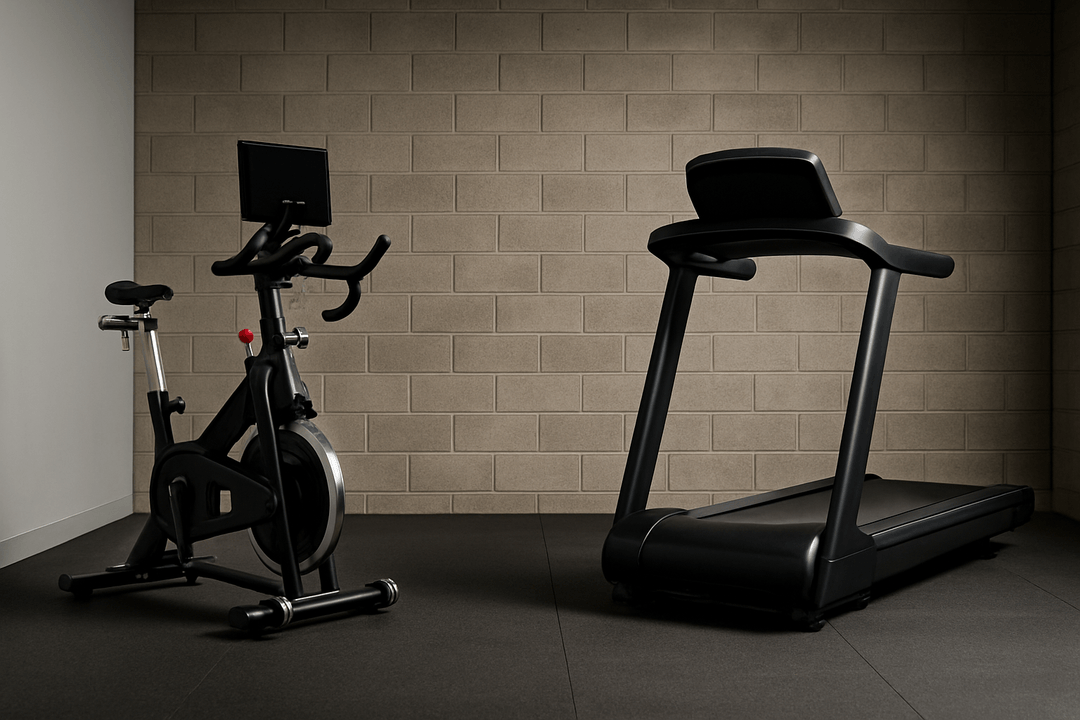
Deciding between cycling, running, or walking for your cardio workouts can be confusing. Each activity burns calories and improves fitness – but which one is the most efficient for you? The truth is, all three can help you lose weight and get healthier. The best choice depends on your goals, fitness level, and what you enjoy. In this guide, we’ll compare calories burned cycling vs running vs walking, talk about impact on your joints, and help you craft a workout plan that blends all three. Let’s find the right balance to burn calories and keep you motivated!
Calories Burned: Running vs. Cycling vs. Walking
Calories burned during exercise depend on your intensity (how hard you’re working), duration, and body weight. In general, running has a higher calorie burn per minute than cycling or walking [Healthline]. But cycling and brisk walking can still torch plenty of calories, especially since you may sustain them longer. Here’s how they stack up for an average adult (~155 lbs):
Cycling (Indoor or Outdoor Bike)
- Light effort (easy pace under 10 mph): about 250–300 calories per hour. A leisurely bike ride (or easy indoor cycling session) burns roughly 150 calories in 30 minutes.
- Moderate effort (12–14 mph): around 500–600 calories per hour. That’s roughly 250–300 calories in 30 minutes of steady moderate cycling. This is comparable to a light jog; in fact, one Harvard analysis found a 155-pound person burns about 288 calories in 30 minutes cycling ~12 mph, which is almost the same as running 5 mph for 30 minutes.
- Vigorous effort (15+ mph or high-intensity spin class): approximately 700–800+ calories per hour. A hard cycling workout (hills, intervals, or a fast racing pace) could burn 350–400 calories in 30 minutes or more, rivaling an intense run.
Myth-buster: Many people assume cycling “doesn’t burn enough calories,” but as you see, a vigorous cycling session can burn as many calories as a run. It’s all about how hard you push and for how long. For example, a challenging 60-minute cycling class can easily burn 600 calories or more, similar to running several miles.
Running (Treadmill or Outdoor)
- Easy pace (jogging ~5 mph): about 500–600 calories per hour. That’s roughly 250–300 calories per 30 minutes of a gentle jog (approximately a 12-minute mile pace).
- Moderate pace (6–7 mph): around 600–800 calories per hour. For instance, running at 6 mph (10 min/mile) might burn ~700+ calories/hour for a 155 lb person, or 350–400 calories in 30 minutes.
- Fast pace (8+ mph): roughly 800–1,000+ calories per hour. A faster run or intervals can burn 400–500+ calories in 30 minutes. Running at 8 mph (7:30 mile) can approach 850–900 calories/hour for an average adult.
Running generally burns the most calories in the shortest time [Red Bull]. However, not everyone can sustain a fast running pace for long. This is where cycling shines: you might run out of gas after 20 minutes of intense running, but could handle a 45-minute cycling workout. Over a longer duration, cycling can catch up or even exceed running in total calories burned because it’s easier to maintain for longer periods at a given effort. In short, running burns more per minute, but cycling lets you go longer – so both can end up burning a lot in their own ways.
Walking (Treadmill or Outdoor)
- Easy pace (strolling ~2 mph): around 200–240 calories per hour. That’s only 100–120 calories in 30 minutes of casual walking. It’s gentle but still contributes to your daily burn.
- Brisk pace (power walking ~3.5–4 mph): roughly 300–350 calories per hour. A half-hour brisk walk can burn about 150–180 calories. Adding incline (like an uphill hike or treadmill incline walk) boosts this further.
- Very fast walk (4+ mph): up to 400+ calories per hour if you’re really pushing the pace or doing hill walking. Power walking with inclines can approach 180–200 calories in 30 minutes.
Walking burns fewer calories per minute than cycling or running at similar effort levels. However, it’s the easiest to start with and you can often walk for longer durations without exhaustion. For example, a 30-minute walk might burn ~150 calories, but a full 60-minute brisk walk could burn around 300+ calories. If you walk every day, those calories add up! And don’t dismiss walking – it’s a great fat-burning, low-impact exercise, especially in the long run.
Bottom line: If you compare the same duration, running usually burns the most calories, followed by cycling, then walking. For instance, at a moderate intensity for one hour, you might burn ~500–600 calories running, ~450–550 cycling, and ~300 walking. But the best exercise for calorie burn is the one you can sustain regularly. A mix of all three can keep things fresh and maximize your weekly calorie expenditure.
Impact on Joints and Injury Risk
One major difference between these activities is the impact level on your joints. Running is a high-impact exercise – each stride sends force through your feet, knees, and hips. Over time or with poor form, running can lead to injuries like runner’s knee or shin splints. In fact, about 25–30% of runners experience knee pain or injuries from overuse. Hard surfaces (like concrete) increase that impact.
Cycling, on the other hand, is low-impact. Your bike (or stationary bike) supports your body weight, so your knees and ankles don’t take the pounding. This makes cycling a gentler choice if you have joint issues or are recovering from an injury. It doesn’t mean you can’t get hurt cycling (you must set up your bike properly – e.g., correct seat height – to avoid knee strain), but overall it’s easier on the body. That’s why many people with knee pain or arthritis turn to cycling for cardio.
Walking is also low-impact and very joint-friendly. Because walking is slower and one foot is always on the ground, the force on your joints is much lower than running. It’s considered one of the safest ways to get aerobic exercise, even for those with knee or back concerns. You can also reduce impact by doing power walking on a treadmill with good cushioning or on softer outdoor surfaces.
Coach’s tip: If you’re worried about injuries or just starting out, emphasize walking and cycling first. Build strength in your legs and get your joints used to exercise with low-impact workouts. Then, if you want, gradually introduce running. Many beginners find they can do longer workouts (and burn more total calories) by cycling or walking because their legs don’t get as sore. You can always mix in short jogging intervals once you’ve built a base – more on that below!
Weight Loss, Belly Fat, and Other Goals
Burning calories is key for weight loss, but there are other factors that might make one exercise better for your personal goals. Let’s break down how body weight, fitness level, and fat loss goals play a role in choosing between cycling, running, and walking:
- Your body weight affects calorie burn: A heavier person naturally burns more calories in any activity because moving a larger mass takes more energy. For example, a 200-pound individual will burn more per hour than a 130-pound person doing the exact same run or ride. This means if you have a higher starting weight, you might see faster calorie burn initially. However, high-impact running can be tough if you carry extra weight, so low-impact cycling or brisk walking might let you work out longer without joint pain.
- Belly fat reduction: You might have heard that “running is best for belly fat.” It’s true that high-intensity cardio (like fast running or sprint intervals) has been shown to help reduce visceral fat (the deep belly fat) in some studies. But cycling can achieve this too – especially if you incorporate intense intervals or hill climbs on the bike. The key to burning belly fat is overall fat loss through consistent exercise and a healthy diet. You cannot spot-reduce fat from just your belly by choosing one exercise. Both running and cycling (and even vigorous walking) will help shrink your waistline as you burn calories. In short, the best exercise for belly fat is one you do regularly at a challenging intensity. Some people prefer sprinting, others might do cycling HIIT classes – do what you enjoy!
- Cycling for weight loss: Cycling is an excellent weight loss tool. Because it’s easy on the joints, you can often ride longer (or more frequently) than you might run. For instance, if running 5 miles is too exhausting or sore on your knees, you might be able to cycle 15 miles at a moderate pace. Those miles add up – even a daily bike ride of a few miles can burn a few hundred calories each time. Don’t get too hung up on “how many miles” you need to cycle to lose weight; instead, focus on total time and effort. An hour of cycling a day, even split into shorter rides, can create a big calorie deficit by the end of the week. Many people have shed pounds by using their bike for commuting or regular workouts. Plus, cycling builds leg muscle strength, which can boost your metabolism (more muscle means you burn slightly more calories at rest).
- Running for weight loss: Running is a powerhouse for burning calories, but it’s also tougher on the body. If you can handle it (and enjoy it), running can certainly help you lose weight quicker per minute of exercise. A solid run three times a week combined with healthy eating can lead to steady fat loss. Just be cautious not to increase your running mileage too quickly – doing too much too soon can cause injuries that derail your progress. Some runners find they actually can’t run enough (due to fatigue or injury risk) to burn the calories they want, which is why mixing in gentler activities is smart.
- Walking for weight loss: Walking is sometimes underestimated for weight loss. True, you burn fewer calories per minute compared to running or cycling. But walking is so accessible that you can do it more often – even daily – and for longer durations. If you walk briskly for 45–60 minutes most days (perhaps during a lunch break or in the evening), you’ll burn a significant number of calories each week. Walking is especially good for beginners or those with high body weight, because it allows you to exercise without as much strain. Over time, as you lose weight and get fitter, you can increase your walking speed, add hills, or transition into some jogging.
Takeaway: All three exercises can contribute to weight loss and fat burning. Running might give you the fastest calorie burn in a short time, but consistency beats intensity if intensity isn’t sustainable. Many people find a combination – say, cycling and walking during the week, with one or two short runs – is the winning formula to burn calories while avoiding burnout or injury. And remember, diet matters too: to lose weight, pair your workouts with mindful eating so you’re not overeating the calories you worked so hard to burn.
Using Heart Rate & Effort to Guide Your Workouts
How do you know if you’re exercising at a “light” vs “moderate” vs “intense” level? A great tool is your heart rate, or simply how you feel (perceived exertion). Here are some coach tips to gauge and guide your effort:
- Heart rate zones: Everyone has a maximum heart rate (estimated roughly by 220 minus your age, though individual true max can vary). Moderate cardio is typically 50–70% of your max heart rate, and vigorous is 70–85%+. If you have a fitness tracker or heart rate monitor, you can see which zone you’re in. For example, if you’re 40 years old, your estimated max is ~180 bpm, so a moderate zone might be around 90–125 bpm for you, whereas 140+ bpm would be vigorous. Many indoor cycling classes and treadmill workouts use heart rate zones to help you push at the right intensity.
- The “talk test” (perceived exertion): No gadget? No problem. Pay attention to your breathing and ability to talk:
- At a light intensity, you can carry on a full conversation or even sing while moving. You’re breathing a bit heavier than at rest but not sweating much.
- At moderate intensity, your breathing quickens. You can still talk in short sentences, but you couldn’t sing a song without pausing. You’ll be sweating after 10+ minutes at this pace.
- At vigorous intensity, it’s hard to get out more than a few words at a time. You’re breathing deeply and probably sweating a lot. This is the challenging zone where you really feel you’re working.
- Mixing intensity for best results: For calorie burn and fitness gains, it helps to have a blend of moderate and vigorous workouts each week. Long moderate sessions (like a one-hour brisk walk or easy bike ride) build endurance and burn fat. Shorter vigorous sessions (like interval sprints or a high-intensity spin class) improve your cardiovascular fitness and can spike calorie burn in less time. Both types are useful! Pay attention to how you feel and recover – if you’re very sore or exhausted, do a lighter day next.
Using heart rate or perceived effort can also ensure you’re not overtraining. It’s great to push hard, but remember that recovery is when your body gets stronger. A coach-like approach: aim to break a sweat and breathe hard a few times a week (vigorous days), but also include easier days where you stay in that comfortable zone. This balance will keep you improving without burnout.
Sample Weekly Training Plan: Blend of Cycling, Walking, and Running
One of the best ways to boost your fitness and avoid boredom is to mix up your workouts. Here’s a sample weekly schedule that blends treadmill sessions, cycling, and walking. This plan assumes you have access to an exercise bike (or outdoor bike) and a treadmill (or a safe running/walking route). Adjust days as needed – the goal is variety and adequate rest.
- Monday – Indoor Cycling: Start the week with a fun ride. For example, do a 30-minute indoor cycling class or an upright bike workout. Keep it moderate intensity (you should breathe harder but can still chat a bit). This low-impact session will burn calories and loosen up your legs.
- Tuesday – Treadmill Walk/Run Intervals: Hit the treadmill for 30 minutes of intervals. Warm up with a 5-minute walk, then try alternating 2 minutes of jogging with 2 minutes of brisk walking. Repeat those intervals for about 20 minutes, then cool down. This is a great way to introduce some running without overdoing it. (If you’re a true beginner, you can do all walking, but vary the incline or speed to challenge yourself.) Consider using a beginner treadmill plan to guide your intervals.
- Wednesday – Recovery or Rest: Give your body a breather. You can take a full rest day or do some gentle movement like stretching, yoga, or an easy stroll around the block. Recovery is crucial to let your muscles repair and prepare for the next hard workout.
- Thursday – Interval Cycling or Spin: Time to crank it up on the bike. Try a high-intensity 20–30 minute ride. You could do a structured cycling interval plan or simply alternate between 1 minute of hard pedaling (high resistance or fast sprint) and 2 minutes of easy pedaling. These bursts will send your heart rate soaring (vigorous intensity) to maximize calorie burn and improve fitness. By alternating with recovery periods, you’ll be able to handle a tough workout without burning out.
- Friday – Power Walking: Do a 30- to 45-minute power walk, either outdoors or on a treadmill. Aim for a brisk pace; if on a treadmill, you can add a bit of incline to simulate hills. You should be in a steady moderate zone, able to talk in short sentences. This low-impact cardio helps build endurance. If you want guidance, you could try a Fitscope power walking class for motivation and incline ideas.
- Saturday – Run or Long Walk: If you’re comfortable running, make this a longer run day. For example, jog or run for 30–40 minutes at a conversational pace. If you’re not into running yet, make it an active outdoor day: take a long brisk walk or a bike ride in the park. The idea is to get a solid moderate-intensity cardio session, enjoying the weekend and maybe some fresh air. Invite a friend or put on your favorite music – make it enjoyable.
- Sunday – Rest and Recovery: Take a rest day. You’ve earned it! Light stretching, foam rolling, or an easy neighborhood walk is fine if you feel restless, but let your body recuperate. Proper rest will ensure you come back stronger next week.
Feel free to swap days to fit your schedule (for example, if you prefer running on Mondays or cycling on weekends). The key is listening to your body: if your legs are very sore from running, use cycling or walking the next day to go easier on impact. If you’re full of energy, you can push harder or go a bit longer. And always remember to warm up before each workout and cool down after. A 5-minute warm-up walk or gentle pedal, plus some post-exercise stretching, will improve your performance and reduce injury risk.
Tips for Beginners: Build Up Gradually
If you’re new to regular exercise or coming back after a long break, start slow and steady. Here’s how beginners can use walking and cycling as a stepping stone to running, safely and enjoyably:
- Master walking first: Begin with regular brisk walks. Aim for 20–30 minutes of walking at least 3 times a week. Focus on improving your pace or going a little longer as it gets easier. Walking strengthens the same muscles used in running (just with less stress) and prepares your heart and lungs for more intense activity.
- Add in some cycling: If you have access to a bike or stationary cycle, incorporate 1–2 short cycling sessions per week. Even 15–20 minutes at an easy pace is great at first. This helps build your cardiovascular endurance without pounding on your joints. It’s also a nice change of pace so you don’t get bored with just walking. Many beginners find cycling workouts make their legs stronger, which later makes running feel easier.
- Introduce jogging gradually: After a few weeks of consistent walking (and perhaps cycling), try adding small jogging intervals. For example, during your walk, pick a landmark or use your watch to jog lightly for 30 seconds to 1 minute, then walk for a couple of minutes to recover. Over time, increase the jogging intervals and decrease the walking. This run/walk technique is a proven way to transition into continuous running without injury. There are even specific running classes and beginner plans (like Couch-to-5k programs) that use run/walk intervals to build you up.
- Listen to your body: As a coach, I can’t stress enough that soreness is normal, but sharp pain is not. If you feel pain in your shins, knees, or anywhere, ease up. It’s okay to stick with walking and cycling longer before you push the running. There’s no rush. Many people successfully lose weight and get fit without ever doing tons of running – fast walking and cycling can be enough. But if running is your goal, your patience will pay off when you get there strong and injury-free.
- Stay consistent and celebrate progress: In the beginning, the most important thing is making exercise a habit. It’s better to walk 15 minutes every day than to run 45 minutes once and then be too sore to do anything for a week. Set small goals, like “this week I’ll walk four times” or “I’ll bike twice for 20 minutes.” Each week, you’ll feel yourself getting fitter. Celebrate those wins! Maybe you walked an extra mile or cycled up a hill that used to intimidate you – that’s fantastic. Over time, these small steps lead to big results.
Remember, even top athletes were beginners once. Consistency and gradual progress are your secret weapons. Before you know it, you’ll be confidently jogging a mile or powering through a cycling class. Enjoy the journey – fitness is a marathon, not a sprint!
Common Myths Debunked
Let’s tackle a couple of myths that often pop up when comparing cycling, running, and walking:
- “Running is always the best for burning calories.” – Running is a terrific calorie-burner per minute, but as we discussed, you can burn as many (or more) calories with cycling if you ride longer or at high intensity. What matters most is total energy expended. If you dislike running or can’t do it for long, you’re not doomed – you can achieve the same calorie burn with a vigorous cycling routine or longer brisk walks. The best workout is one you enjoy enough to do consistently. Many people find a mix of activities is actually the best approach for calorie burn and overall fitness.
- “Cycling doesn’t burn fat like running does.” – False! Cycling, especially at moderate to high intensity, absolutely burns fat. It may engage slightly fewer muscle groups than running (since you’re seated), but you can compensate by cycling faster or adding resistance. In fact, because you can cycle longer, you might burn more total fat in a long ride than a short run. Also, for those aiming to lose belly fat, remember that both cycling and running will help reduce overall body fat. Some studies even suggest that consistent cycling is associated with lower belly fat in the long term (likely because cyclists tend to exercise longer durations). The myth that only running trims your tummy is outdated – any form of cardio done regularly will chip away at body fat, and diet is a big part of the equation too.
- “Walking is too easy to help with weight loss.” – Don’t underestimate walking! While walking burns fewer calories per minute than running, it’s still a powerful tool for health and weight management. Walking daily can definitely lead to weight loss, especially for beginners or those sensitive to high-impact exercise. Plus, walking can be made more challenging by increasing speed, distance, or incline. It’s gentle on your body and can be done almost anywhere. Many people have lost substantial weight by committing to a daily step count or long weekend hikes. So yes, walking “counts” and can be the foundation of your fitness routine.
Find What Works for You
At the end of the day, cycling vs running vs walking isn’t a one-size-fits-all answer. Each has its advantages, and you don’t have to choose only one. In fact, doing a bit of each might be the winning strategy to burn more calories and stay motivated. You could run or jog a couple times a week for efficiency, cycle on other days for a low-impact calorie burn, and sprinkle in walking on rest days to keep active without overtraining.
The most important factor is enjoyment and consistency. If you dread running but love hopping on your bike, focus more on cycling. If you enjoy the peace of a long walk, make that your staple and toss in some short runs to mix it up. Exercise shouldn’t feel like punishment – it should be a rewarding challenge. When you enjoy the process, you’ll naturally put in more effort and time, which leads to more calories burned and better results.
In summary: Running, cycling, and walking are all fantastic forms of cardio with unique strengths. Running gives you the biggest bang for your buck time-wise, cycling lets you go hard with less joint stress, and walking is the gentle giant that keeps you moving consistently. Use heart rate or your own perceived effort to ensure you’re getting a good mix of moderate and vigorous exercise. Consider combining all three in your weekly routine to avoid plateaus and overuse injuries. Start at a level that matches your current fitness and gradually build up – fitness is a journey, and you’re in control of the pace.
So, lace up your shoes or grab that helmet and get moving! Whether you’re pedaling in a fun cycling class, jogging on the treadmill, or power walking around your neighborhood, you’re burning calories and getting closer to your goals. The calories will take care of themselves as you stay consistent. Keep challenging yourself, listen to your body, and most importantly, enjoy the ride (or run, or walk)!
Remember: The best exercise is the one you love enough to do regularly. So mix it up, stay active, and watch those calories burn away – your future fitter self will thank you!

Commercial Subscription
Allows Fitscope classes to be used in a commercial gym or boutique studio (1 location) with up to 500 members. Multiple simultaneous users enabled. Lets Talk!

© Fitscope Technologies LLC, 2023
Powered by  Fitcaster