
Fitscope Studio
December 12, 2025, 1 min
Cycling for Weight Loss: How Many Miles to Ride and How to Structure Your Week
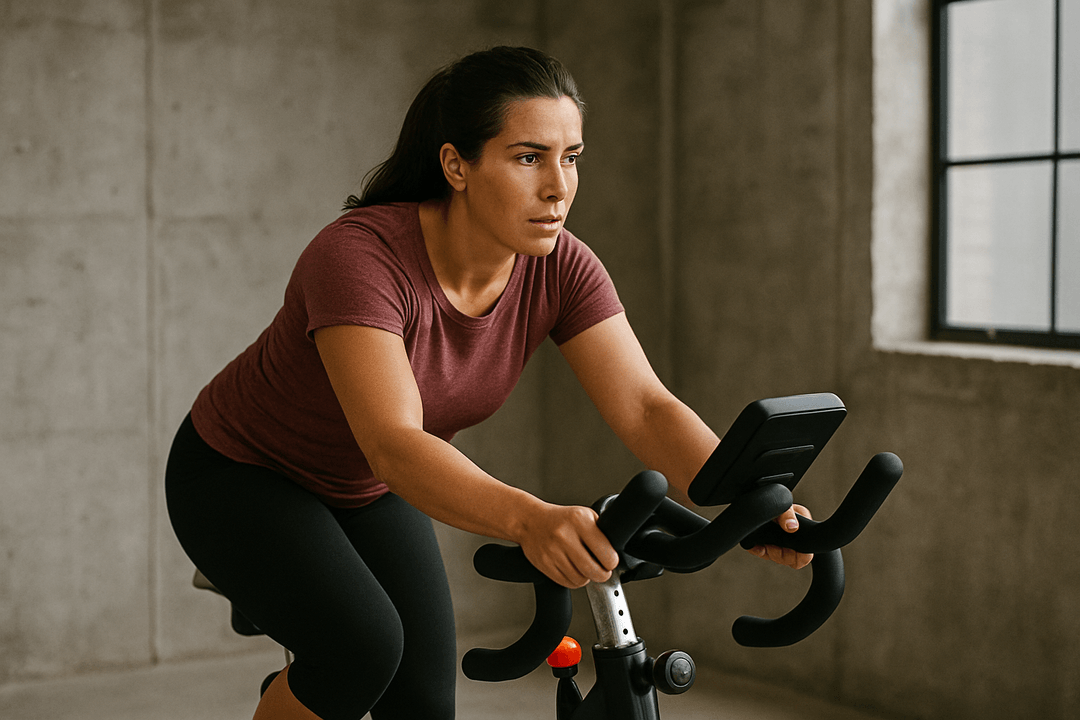
Cycling is not just a hobby or a mode of transportation. It’s also a fantastic workout for burning calories and shedding excess pounds. Whether you prefer outdoor bike rides or hopping on a stationary bike for indoor cycling, this form of exercise can be an effective part of your weight loss journey. In fact, many beginners ask if cycling is a good way to lose weight and wonder does cycling help weight loss in a meaningful way. The short answer is yes: cycling is excellent cardio for weight loss and also builds muscle endurance. The key is doing it consistently and smartly. This guide will show you how to use cycling to lose weight, including how many miles to ride, how to plan your week, and how to avoid common mistakes. Let’s get started!
Why cycling is a great way to lose weight
Cycling delivers a high calorie burn. It’s an aerobic exercise that elevates your heart rate and gets you breathing harder, which means you’re torching calories. An hour of moderate-intensity cycling on a stationary bike can burn roughly 400–600 calories, making it an efficient workout for fat loss. Over time, these burned calories add up. For example, just a half-hour bike ride every day could burn about 5 kilograms (11 pounds) of fat over a year. Few other workouts are as fun or as easily scaled in intensity. You can always ride faster or add resistance to burn even more.
It’s low-impact and joint-friendly. Unlike running or high-impact exercises, cycling is gentle on your knees and ankles. This low-impact nature means you can ride frequently without putting excessive strain on your joints. If you’re carrying extra weight or have a history of knee issues, bicycling to lose weight is a smart choice because it minimizes injury risk while still giving you a great cardio workout. You can ride most days of the week as long as you mix in some easier sessions for recovery.
Indoor cycling fits any schedule. One big advantage of stationary biking or spin classes is how easily they fit into daily routines. Rain or shine, indoor cycling makes weight loss accessible at any time. You can pedal while watching TV or join a virtual class from home. Because it’s so convenient, you’re more likely to stick with it. Consistency is the secret sauce to weight loss. Plus, many indoor bikes and cycling apps track your distance, speed (RPM), and heart rate, so you get instant feedback on your progress.
Mental benefits keep you motivated. Cycling isn’t just about physical change; it also boosts your mood and reduces stress. Like any exercise, it releases endorphins—those “feel good” chemicals in your brain that can leave you feeling happier and less anxious after a ride. Many people find cycling to be fun, whether it’s the thrill of an outdoor ride or the energizing music in an indoor spin class. That enjoyment means you’ll look forward to workouts instead of dreading them. Over time, better mood, improved sleep, and the confidence you gain from getting fitter become powerful motivators to keep going. All of these psychological perks make it easier to stay consistent, and consistency leads to results.
How many miles to cycle per week for fat loss
When it comes to losing weight by cycling, a common question is “how many miles cycling to lose weight do I need to do?” There isn’t one magic number, since it depends on your fitness level and how hard you ride. However, we can outline some general weekly targets and translate them into both miles and minutes:
- Beginners (New to exercise): Start small and focus on building a habit. Aim for roughly 5 miles per day, 3 times a week at a comfortable pace. This comes out to about 15 miles per week, which might be 90–120 minutes of cycling in total. On a stationary bike, that could be three 30–40 minute sessions where you maintain a moderate cadence (around 60–80 RPM) with light to medium resistance. This volume is enough to kickstart your weight loss without overwhelming you. As you get more fit, gradually increase your frequency or distance.
- Intermediate (Active individuals): If you already work out a bit, you can handle more. Aim for 30–50 miles per week, spread across 4 or 5 ride days. For example, that could look like four rides of 8–12 miles each. In time terms, think of it as about 150–200 minutes weekly. You might do a 45-minute spin class (approximately 12+ “miles” on the bike computer) on some days and a shorter 30-minute ride on others. Mix up the intensity: include some steady moderate rides and one or two vigorous efforts (higher resistance or sprint intervals) to boost your calorie burn.
- Advanced (Very active or cycling enthusiasts): To really accelerate fat loss, you may push toward 50–100 miles per week. This could involve riding nearly every day, with longer sessions on some days. For instance, an avid cyclist might do five rides a week totaling around 80+ miles. At this level, intensity matters; if you ride more miles at a lower intensity, you can swap some distance for interval training to get the same or greater calorie burn in less time. Keep in mind that going much beyond 100 miles a week is typically for athletic training rather than basic weight loss—you don’t need to be a marathon cyclist to slim down.
It’s also useful to consider time and calories, not just miles. Health experts often recommend burning at least 2,000 calories per week through exercise for weight loss. For cycling, that might mean around 4–6 hours of moderate riding weekly (since you might burn roughly 300–500 calories per hour at a moderate effort). Another rule of thumb: a pound of fat is about 3,500 calories, so to lose roughly 1 pound a week you need a 500-calorie per day deficit. That could come from riding about an hour each day at a moderate pace. In fact, one cycling expert suggests that working up to around 84–98 miles per week (roughly 12–14 miles daily) at a moderate speed can result in losing about 1–2 pounds per week. However, that kind of mileage is something to work up to, not a starting point for beginners.
Listen to your body and build up gradually. If you’re just starting out, begin with shorter rides and lower mileage, then increase as your stamina improves. It’s important not to ramp up miles too quickly, to avoid burnout or injury. Also, if you’re cycling to weight loss as your main goal, remember that you can’t out-pedal a bad diet. While cycling burns calories, weight loss will be slow or nonexistent if you compensate by overeating. Combining your cycling routine with a sensible, balanced diet is crucial for seeing results. Think of the miles you ride as one side of the equation and your nutrition as the other. When both are in balance, that’s when the fat loss really kicks in.
Structuring your weekly cycling routine
Having a plan for the week will keep you accountable and ensure you get a good mix of workouts and recovery. Simply hopping on the bike and riding with no structure can lead to uneven results or fatigue. Here’s how to structure a well-rounded weekly cycling routine for weight loss:
- Interval (HIIT) days: Include 1–2 high-intensity interval training sessions per week. On these days, you’ll push hard for short bursts (for example, 30 seconds of all-out pedaling or a heavy climb) followed by a brief recovery period, and repeat. These rides are relatively short (20–30 minutes) but very effective for burning calories and boosting your metabolism. For instance, Monday could be a 30-minute HIIT indoor cycling class where you alternate between intense sprints and easy spins.
- Steady endurance rides: Do at least one longer, moderate-intensity ride. This might be a 45–60 minute steady-state ride at a pace where you can hold a conversation (often called the “fat-burning zone”). It helps build your aerobic base and teaches your body to use fat for fuel. You could plan a Saturday morning long ride. If you go outdoors, maybe pick a scenic bike path; if you stay inside, try a longer spin session at moderate resistance.
- Recovery rides: After hard days, plan an easy ride or two. A recovery ride is a short, low-resistance spin (20–30 minutes) to get blood flowing to your muscles without adding stress. For example, the day after a HIIT session, you might do an easy spin on minimal resistance while watching TV. Recovery rides help reduce soreness and keep your legs limber, keeping you active without overtraining.
- Cross-training and strength: Devote 1–2 days a week to non-cycling activities. Strength training is especially helpful because adding muscle increases your resting metabolism (and gives you more pedal power). You can use dumbbells at home or take a bodyweight strength class. Another great cross-training option is rowing or jogging. These activities work different muscles and can prevent boredom. For instance, you might swap one cycling day for a short rowing workout or a yoga session to stretch tight muscles.
- Rest days: Schedule at least one full rest day each week (two if you’re a beginner). Rest is when your body repairs itself and gets stronger. Enjoy the day off guilt-free—you’ve earned it. Light activity like gentle stretching or a leisurely walk is okay, but avoid intense exercise on rest days. This will ensure you come back to your next ride feeling recharged and ready to give your best effort.
Here’s an example of how you could put it together in a week:
- Monday: 30-minute HIIT cycling session (intervals).
- Tuesday: Rest day or light stretching.
- Wednesday: 45-minute moderate endurance ride (steady pace).
- Thursday: 20-minute easy recovery ride.
- Friday: Strength training or a cross-training cardio session (e.g., rowing or brisk walk).
- Saturday: 60-minute long ride (endurance, moderate pace).
- Sunday: Rest day.
Feel free to adjust the schedule to fit your life, but aim to include those core elements (intervals, endurance, recovery, cross-training, rest) each week. This balance prevents overtraining and keeps your body guessing, which can lead to better weight loss results. If you need guidance, consider following a structured program. For example, Fitscope’s Cycling Plan for beginners or the Experienced Cycling Plan for more advanced riders will give you a weekly schedule of classes to follow. And remember: consistency is king. It’s better to ride moderately and often than to do one or two epic workouts and then skip the bike for a week.
Common mistakes to avoid when using cycling for weight loss
When you’re using indoor cycling for weight loss (or any kind of cycling), it’s easy to fall into a few traps. Here are some common mistakes and myths to watch out for:
- Going all-out every day: It might seem like “more is better,” but doing intense rides every single day can backfire. Your body needs recovery time to get fitter and burn fat efficiently. If you hammer the pedals daily without rest, you’ll likely burn out or get injured. Mix hard days with easy days, and never underestimate the power of a good rest day.
- Ignoring nutrition: Cycling burns calories, but it’s not a free pass to eat whatever you want. A huge mistake is thinking exercise alone will magically make the pounds fall off while your diet stays full of junk food. You absolutely can’t out-pedal a bad diet. Fuel your body with lean proteins, vegetables, fruits, and whole grains. This will not only help with weight loss but also give you better energy for your rides.
- Sticking only to long, slow rides: Long rides at a comfortable pace do burn fat, but if that’s all you do, your body can adapt and start conserving energy. Incorporating some high-intensity efforts (like sprints or hill climbs) will spike your calorie burn and improve fitness faster. Don’t be afraid to sweat and breathe hard a couple of times a week. On the flip side, the opposite mistake is doing only super high-intensity rides, which can exhaust you. A blend of steady-state and interval training is best for weight loss.
- Not tracking progress: One of the best motivators is seeing your improvements over time. If you never track anything, you might feel like you’re spinning your wheels (pun intended). Keep an eye on metrics beyond just your weight. For example, track how many miles or minutes you cycle each week, note improvements in your average speed or the resistance level you can handle, or count how many workouts you log in a month. These trends show that you’re getting stronger and fitter, even in weeks when the scale might not budge.
Tracking success beyond the scale
When your goal is dropping pounds, it’s natural to focus on the scale. But weight loss isn’t the only measure of success—and sometimes the scale doesn’t tell the full story. Here are some non-scale victories and progress metrics to keep you motivated:
Improved endurance and strength: Notice if you can ride longer or at a higher resistance than when you started. Maybe you struggled to pedal for 10 minutes at first, and now you can do 30 minutes no problem. Or perhaps the resistance level that used to feel tough now feels moderate. These are signs you’re getting fitter and stronger, even if your weight hasn’t changed much yet.
Faster recovery and heart health: Pay attention to your heart rate. As your fitness improves, you might see your resting heart rate go down, or you recover faster after hard efforts. If you wear a heart rate monitor, track how much time you spend in different heart rate zones during a ride. Over time, you may notice you can stay longer in your optimal fat-burning zone, or that high-intensity bursts feel easier than before. That’s real progress in cardiovascular health.
Mood, energy, and sleep: Beyond the physical metrics, cycling can significantly improve your day-to-day well-being. Many people report a better mood and lower stress thanks to those exercise endorphins. You might find you have more energy throughout the day and that you sleep more soundly at night after a ride. These improvements are huge wins. When you feel good, it’s easier to keep making healthy choices, creating a positive cycle that supports your weight loss goals.
Consistency and habits: Give yourself credit for building an exercise routine. Maybe you’ve hit a streak of working out (cycling or otherwise) several days per week. That consistency itself is an achievement. Fitness apps often track streaks or total minutes exercised—use these as motivation. For instance, seeing that you’ve cycled on 10 different days this month or covered a certain number of miles in total can be more satisfying than any single weigh-in. Over time, these habits compound and the weight will come off as a result of your active lifestyle.
How Fitscope helps you stay consistent
Staying consistent is one of the toughest parts of any fitness program—but that’s where Fitscope can give you an edge. Fitscope’s online fitness platform keeps you engaged and motivated on your cycling to weight loss journey. First, Fitscope offers structured cycling programs that eliminate the guesswork. If you’re not sure how to plan your rides for the week, you can jump into a guided schedule like the Fitscope Cycling Plan for a step-by-step approach. Already a seasoned rider? There’s also an Experienced Cycling Plan with more challenging classes to push your limits.
Another big advantage of Fitscope is variety. The platform offers a wide range of indoor cycling classes (from hill climbs to interval sprints to recovery rides), so you’ll never get bored doing the same routine. Better yet, Fitscope isn’t just cycling. You can mix in other workouts like strength training, yoga, or rowing classes to work different muscle groups. This cross-training keeps your routine fresh and helps you build full-body fitness—which in turn improves your cycling performance and weight loss efforts.
Lastly, Fitscope’s technology helps you track your progress and stay accountable. The app connects to compatible bikes and heart rate monitors to display your performance stats—like RPM, heart rate, calories burned, distance, and power output—right on the screen as you follow a class. You’ll see your progress from one workout to the next, which is incredibly motivating. Hitting new personal bests, whether it’s a higher wattage on a sprint or simply sticking to your weekly routine, becomes a fun game. With upbeat, coach-like instructors and live metrics feedback, Fitscope helps turn cycling for weight loss from a chore into a lifestyle. By keeping you engaged and accountable, Fitscope makes it much more likely that you’ll stick to your plan and reach your goals. Happy riding!

Commercial Subscription
Allows Fitscope classes to be used in a commercial gym or boutique studio (1 location) with up to 500 members. Multiple simultaneous users enabled. Lets Talk!

© Fitscope Technologies LLC, 2023
Powered by  Fitcaster