
Fitscope Studio
December 12, 2025, 1 min
Beginner Cycling Workout Plan: Your First 4 Weeks on the Bike
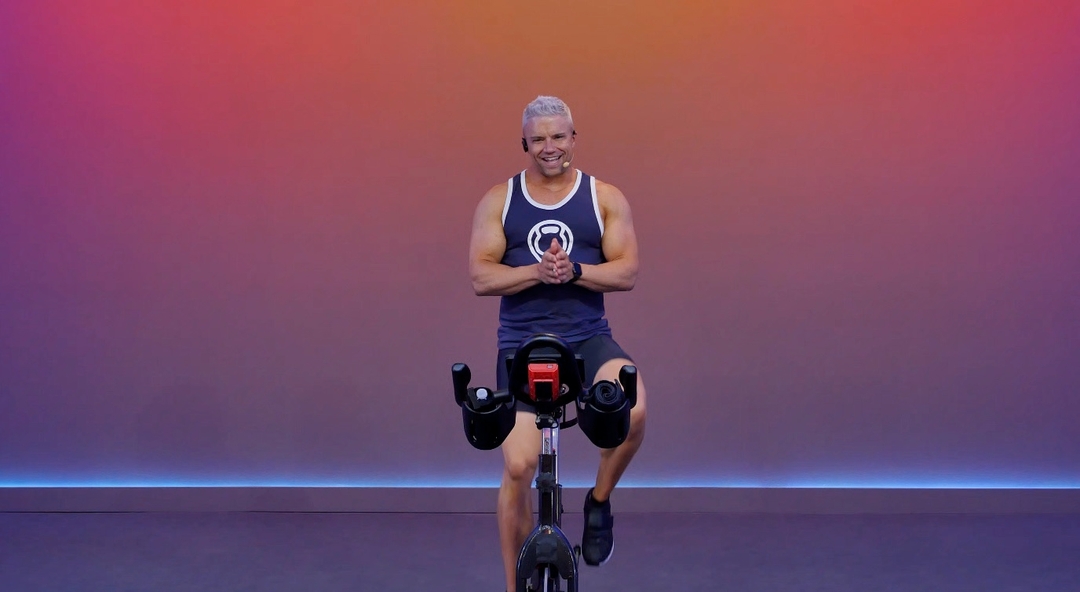
If you’re new to indoor cycling or getting back in the saddle after a long break, this 4-week cycling workout plan for beginners is your friendly roadmap. It’s designed for anyone with access to an indoor bike – whether it’s a spin bike, stationary upright bike, or a gym studio cycle. All you need is a bike, a water bottle, and a little motivation. We’ll start slow and build your confidence on the pedals.
Who is this plan for? It’s for novice riders and those beginning cycling for fitness. Maybe you just got a home exercise bike, or you’re trying your first spin class. This plan keeps things simple and encouraging, with no prior experience required. By the end of four weeks, you’ll feel stronger and more at home on the bike.
What you’ll need: Comfortable workout clothes, water to stay hydrated, and a towel (indoor cycling can make you sweat!). Stiff-soled shoes or cycling shoes help, but regular sneakers are fine to start. If your bike has a monitor or if you use a fitness app, you can track cadence (pedal speed) or heart rate – but it’s not required. We’ll use simple effort cues so you can do this workout on any indoor bike, with or without fancy tech.
Time commitment: Plan for about 3 rides per week, roughly 20–30 minutes each. That’s about 1.5 hours of cycling weekly, plus a little time to warm up and cool down. You can fit these rides into mornings before work, lunch breaks, or whenever suits your schedule. Indoor cycling is flexible – you can press Play on a class or start pedaling whenever you have time. This convenience makes it easier to stay consistent. We’ll also sprinkle in tips for stretching and recovery, but the core commitment is three rides a week.
Throughout this program, think of me as your upbeat coach. We’ll gradually increase your endurance and strength while keeping things fun. Each week has a focus and manageable goals, so you never feel overwhelmed. Fitscope’s beginner-friendly approach is all about encouragement and progress. Our online indoor cycling classes are there to guide you on any bike, at home or at the gym. Ready to roll? Let’s get you moving!
Benefits of starting with indoor cycling for fitness and health
Indoor cycling is one of the best exercises for beginners because it delivers a solid cardio workout while being gentle on your body. Pedaling a stationary bike is low-impact – it puts less stress on your knees and ankles than running or high-impact classes. That means you can build endurance even if you have joint concerns or are carrying a bit of extra weight. Over time, this cycling exercise plan for beginners will strengthen your heart and lungs. You’ll likely notice you’re less out of breath climbing stairs or doing daily activities as your cardiovascular fitness improves.
Cycling also helps build muscular endurance, especially in your legs and glutes. Each pedal stroke engages your quads, hamstrings, and calves, and if you maintain good form, your core gets a workout too. Don’t worry – you won’t “bulk up” from indoor cycling, but you will start to feel stronger. Plus, it burns calories at a steady clip. In fact, even short spin sessions can torch a lot of calories and contribute to weight management. One small study found that doing just two 30-minute spin rides per week for six weeks led to greater improvements in fitness, leg strength and fat loss compared to a full hour of moderate exercise. In other words, you get a big health payoff in a shorter time – perfect for busy beginners.
The benefits aren’t just physical. Cycling is a mood booster and stress reliever. Like any exercise, it releases endorphins – those “feel-good” hormones – which can leave you feeling upbeat and energized after a ride. Many people find that starting a cycling routine helps clear their mind and reduce anxiety. It’s your me-time to pedal away the day’s stress. If you join an online class with music, the upbeat tunes and group vibe can enhance that positive feeling. In fact, indoor cycling’s enjoyable atmosphere leads to great consistency: in one 8-week trial, new exercisers who did three cycle classes a week had a 95% attendance rate – almost unheard of – because they genuinely enjoyed the workouts. Sticking to a routine becomes much easier when you’re having fun.
Lastly, an indoor cycling plan is convenient and weather-proof. Rain or shine, hot or cold, you can ride without leaving your home. This flexibility means you’re less likely to skip workouts. Research has noted that the convenience of at-home workouts removes many common barriers to exercise, leading to better adherence. No traffic or gym commute to deal with – just hop on and ride. Over four weeks, these small efforts will add up. You might see improvements like lower blood pressure or better stamina during other activities. Most importantly, you’ll establish a habit of regular exercise. That foundation of consistency is the real win for your long-term fitness journey.
Using effort cues: RPE and cadence
Throughout this beginner cycling workout, we’ll guide your intensity using two key effort cues: RPE and cadence. RPE stands for Rate of Perceived Exertion – basically, how hard you feel you’re working on a scale of 1 to 10. An RPE of 1 is almost no effort (easy pedaling or warm-up), while an RPE of 10 is an all-out sprint you could only sustain for a few seconds. Using RPE is great for beginners because it’s personalized. You don’t need a fancy monitor or specific speed – just pay attention to your breathing, sweat, and leg burn to gauge your effort.
Here’s how to think of RPE levels in this plan: An “easy” ride or recovery interval will be around RPE 3–4, meaning you’re very comfortable – you can easily hold a conversation and your breathing is controlled. A “moderate” effort, around RPE 5–6, feels like a brisk challenge – you can talk in short sentences but you’re definitely working. When we say “hard effort,” we mean roughly RPE 7–8. At that level, you’re breathing heavily and can only speak a few words at a time; it’s challenging but sustainable for brief intervals. We won’t hit RPE 9–10 (very intense effort) until maybe some short bursts in the later weeks, and even then only if you feel ready. Always remember: you control the intensity. If we cue an RPE 6 and you’re not there yet, adjust resistance or speed to match what feels like a 6 for you.
Cadence, on the other hand, refers to your pedaling speed, measured in revolutions per minute (RPM). Many indoor bikes and cycling apps display cadence. For example, 60 RPM means one pedal makes a full circle 60 times in a minute. Cadence is a useful metric to ensure you’re not pedaling too slow or too fast for a given workout. In beginner rides, you might hear cues like “around 80 RPM for this interval” or “slow it down to 60 RPM for the hill.” If you don’t have a cadence readout, no worries – you can estimate by feel or even count pedal strokes for 15 seconds and multiply by four. But generally, think of cadence like this: 60–70 RPM feels like a controlled climb (slower, with higher resistance), while 80–100 RPM feels like flat road or sprinting (faster legs, with lighter resistance).
The key is balancing cadence with resistance to hit your target RPE. If we ask for a higher cadence at moderate effort, you might need to lighten the bike’s resistance a bit so your legs can spin faster without pushing you into an all-out effort. Conversely, if it’s a hill climb segment at a slow cadence, you’ll add resistance to make it challenging enough (your legs will turn slower but you’ll feel the push). Don’t get too bogged down in the numbers – use them as guides. RPE is your go-to for judging how you feel. If a class instructor calls out a certain cadence or gear level, but you’re struggling, it’s okay to dial it back. As a beginner, focus on maintaining a steady rhythm and a level of effort that matches the cue (easy, moderate, or hard). Over these four weeks, you’ll get better at feeling the correlation between cadence, resistance, and RPE. By the end, you’ll be pedaling by feel like a pro, adjusting your own intensity with confidence.
Bike setup basics for comfort and injury prevention
Before we dive into the weekly workouts, let’s talk about setting up your bike. Proper bike setup is crucial for both comfort and preventing injury. The most important adjustment is seat (saddle) height. Set your saddle so that when you sit and extend one leg down (with your foot flat and heel just above the pedal at its lowest point), your knee has a slight bend – roughly 25 degrees bent, not locked out straight. A quick guide is to stand next to your bike and adjust the seat to about hip-bone height. This gets you in the ballpark. When you start pedaling, if your hips rock side-to-side or you feel your legs over-extending, the seat is too high. If your knees are too bent and you feel cramped, it’s too low. Take a minute to get it right – a correctly set seat height helps prevent knee pain and lower back strain, while the wrong height can cause discomfort or injury.
You’ll also want to adjust the seat’s distance from the handlebars (fore/aft position) and the handlebar height. When your feet are in the pedals with one foot forward (at the 3 o’clock position), your front knee should be roughly above the ball of your foot – not dramatically ahead of it or behind. This fore/aft seat position ensures you aren’t stretching or scrunching to reach the pedals. As for handlebars, new riders often prefer a higher handlebar position. Don’t be afraid to raise the bars so you sit more upright. This takes pressure off your lower back and shoulders. Over time, as your core gets stronger and flexibility improves, you might lower the handlebars a bit for a more aggressive position. But there’s no rush – comfort is key. You should be able to grip the handles with a slight bend in your elbows, shoulders relaxed (not hunched up to your ears), and a neutral, flat back.
Once your bike is adjusted, focus on form while riding. Keep your core engaged (think of gently pulling your belly button in) to support your lower back. Level your hips and avoid rocking side to side. Pedal with your feet flat (not just pushing with your toes). Imagine scraping mud off the bottom of your shoe on the downstroke – this cue helps you apply power through the full pedal cycle and not just stomp down. Also, always have a little resistance on the wheel – riding with zero resistance might feel easy, but it can cause you to bounce in the saddle, which isn’t effective or comfortable. A bit of resistance keeps your pedal stroke smooth and controlled, and protects your knees by avoiding excessive flopping or hyperextension.
Finally, have the right gear handy: a towel for sweat and water for hydration are must-haves. If you find the saddle uncomfortable at first, consider padded cycling shorts or a gel seat cover – saddle soreness is common for beginners but improves with time and proper gear. If something feels painful (sharp knee pain, numbness, etc.), stop and check your setup again. Small adjustments can make a big difference in comfort. The goal is to feel stable and pain-free on the bike so you can focus on the ride. With the setup sorted, you’re ready to tackle the workouts with confidence and keep injuries at bay.
Four-week cycling training plan: 3 rides per week
Now let’s get into the fun part – your 4-week cycling training plan for beginners. You’ll be doing three rides per week. Feel free to choose the days that best fit your schedule (for example, Monday/Wednesday/Friday or Tuesday/Thursday/Saturday). It’s good to have a rest day or cross-training day between rides when possible, to let your body recover. Each week of the plan has a specific focus and gradually builds on the last. The rides are described with suggested duration and effort. Remember to always start each ride with a 5-minute easy warm-up (light pedal at RPE 2–3) and finish with a cooldown and gentle stretch. The times listed below include those warm-up and cooldown periods.
You can do these rides on your own, listening to your body and maybe your favorite playlist, or you can follow along with a guided class. For example, Fitscope offers a Beginner Cycling Program in our library that aligns with these weekly goals. Feel free to swap in a Fitscope class of a similar length and style for any ride – it can make your workout more engaging and keep you motivated. The important thing is to get those wheels spinning three times each week. Let’s break down the schedule:
Week 1: Getting comfortable on the bike
Goal: In the first week, the aim is simply to get comfortable and consistent. We’re focusing on form, finding a cadence that feels good, and building confidence. All rides this week are at an easy to moderate intensity. By the end of the week, you should feel more at home on the bike and proud that you got three workouts in!
- Ride 1 – Easy Spin & Form Focus (20 minutes, RPE 3–4): This is your very first ride, so keep it relaxed. Spend about 5 minutes warming up at an easy pace. Then continue at a comfortable effort (you should be able to chat easily) for the remainder. Focus on good form: engage your core, check that your shoulders are down and relaxed, and that you have a smooth pedal stroke. If you’re listening to music, find a steady song and pedal to the beat. The goal is just to shake off any nerves and get your legs moving. By the end of this ride, you should feel energized, not exhausted – like you could have gone longer. That’s perfect for day one.
- Ride 2 – Introduction to Intervals (25 minutes, RPE 5 peak): After a 5-minute warm-up, you’ll try a few gentle intervals to spice things up. An interval means alternating between a harder effort and a recovery. For this ride, pedal at a moderate effort (around RPE 5, breathing a bit heavier but still in control) for about 2 minutes, then drop to easy (RPE 3) for 2 minutes to recover. Repeat this cycle about 4 times. For example, 2 minutes where you pick up your cadence or add a touch of resistance (it should feel like a purposeful effort, but not all-out), followed by 2 minutes of slow, relaxed pedaling. This teaches you how to adjust intensity and listen to your body. Finish with a 5-minute cooldown. You’ll find that the moderate bursts make the time fly by. Celebrate – you just handled your first intervals!
- Ride 3 – Endurance Builder Lite (30 minutes, RPE 4–5): This ride is a slightly longer steady effort to begin developing your endurance. Start with your warm-up (5 minutes easy). Then settle into a sustained ride of about 20 minutes at a light-moderate pace (around RPE 4, occasionally nudging 5). If you’re feeling good, you can try a “talk test” – you should be able to speak a full sentence, though your breathing will be elevated. To keep things interesting, you might do 5-minute segments alternating between sitting and standing (out of the saddle) or between quicker cadence vs. higher resistance. But overall, keep the effort fairly consistent and comfortable. The idea is to get used to riding a bit longer. Wrap up with a 5-minute cooldown. Nice job – that’s your longest ride this week! By now, you’ve completed your first week of a cycling schedule for beginners. Take a moment to appreciate that accomplishment.
Week 2: Building aerobic endurance
Goal: In week 2, we’ll extend your ride times slightly and introduce a bit more aerobic challenge. The focus is on building endurance – teaching your body to ride a little longer at a steady pace. You’ll still have one interval ride, but the intensity remains moderate. By the end of this week, 30 minutes on the bike will start feeling more routine.
- Ride 1 – Steady Cruise (25 minutes, RPE 4): Warm up for 5 minutes easy. This ride is a straightforward steady-state effort. After warming up, find a pace at RPE 4 (comfortable, breathing a little heavier than rest but definitely sustainable) and hold it for about 15–18 minutes continuously. If you have a cadence monitor, aim for a moderate cadence like 70–80 RPM with enough resistance to feel steady. You’re essentially doing a “distance” ride – no big surges, just consistent movement. Use this ride to work on maintaining good posture and smooth breathing for an extended period. Cool down for the last few minutes. By keeping it steady, you’re training your heart and muscles to go longer.
- Ride 2 – Cadence Pyramid (30 minutes, RPE 5–6): This interval ride will play with your pedal speed to build both endurance and a touch of speed. After 5 minutes warming up, you’ll do a “pyramid” of cadence changes. Start with 2 minutes at an easy cadence (around 60 RPM, RPE 3–4). Then increase to a moderate cadence for 2 minutes (around 75–80 RPM, RPE 5). Next, go a bit faster for 2 minutes (85–90 RPM, RPE 6 – you’re breathing more deeply). Now, come back down the pyramid: drop back to moderate 75–80 RPM for 2 minutes, then easy 60 RPM for 2 minutes. That’s one round (10 minutes total). Take a 2-minute gentle pedal break, then repeat the pyramid again if you can. Finally, cool down 5 minutes. This workout teaches you to adjust your effort and recover actively. The peak intensity (RPE 6) should feel like a vigorous but controlled effort – you’re pushing, but not to the max. By the last fast segment, you’ll really feel your heart rate up, and then the easing down feels great. This kind of structured work boosts your stamina and keeps things fun.
- Ride 3 – Beginner Endurance Ride (35 minutes, RPE 5): Time to go a bit longer. Start with 5 minutes of warm-up. The main set is about 25 minutes of continuous riding at a steady moderate pace (around RPE 5). Think of this like your first “long ride.” Settle into a groove – maybe put on an engaging playlist or even a low-impact Fitscope class to keep you company. You should be working, but able to sustain it. To prevent boredom, you can break the 25 minutes into sections: for example, every 5 minutes, stand up out of the saddle for 30 seconds to stretch your legs, or add a tiny bit of resistance for one song then lighten it for the next. These small variations can help mentally, but keep the overall effort in the moderate zone. By the end of the 25-minute segment, your legs will know they worked, but you shouldn’t be completely wiped out. Cool down 5 minutes. Great job – you’ve likely ridden farther in time and distance than last week. This kind of longer moderate ride is classic cycling endurance training for beginners, and it will pay off by boosting your aerobic base.
Week 3: Adding intensity and strength
Goal: In week 3, we’ll introduce a bit more intensity in short doses and also focus on building leg strength. Think of this as upping the challenge a notch now that you have two weeks under your belt. You’ll try some higher-effort intervals and a “hill” workout. The volume (minutes per ride) is similar to week 2, but the efforts will occasionally reach RPE 7–8 for brief moments. By the end of this week, those hard efforts will make you feel like a stronger cyclist.
- Ride 1 – Recovery Spin (20+ minutes, RPE 3): After last week’s longer rides, we’ll start this week with an active recovery ride. Keep this one very easy and fluid. Warm up as usual, then spin comfortably for about 15 minutes at RPE 3. This should feel like a gentle flush-out for your legs – light resistance, maybe around 60–70 RPM at whatever feels relaxing. You can certainly go longer than 20 minutes if you feel good, but it’s not required. The purpose is to give your body a breather while still staying in the habit of riding. If you’re itching for more, use the extra time to practice technique: for example, focus on pulling up slightly on the pedals to engage your hamstrings, or practice riding one-handed (to drink water) and maintaining balance. Finish with a cooldown and some stretches. You’ve got two harder rides coming up, so this easy day helps you recharge.
- Ride 2 – HIIT Spin Ups (30 minutes, RPE 7–8 intervals): This is a high-intensity interval training ride, tailored for beginners. That means the hard efforts are short and the recoveries are ample. After a 5-minute warm-up, you’ll do a series of quick sprint intervals. For example: Pedal all-out (or close to it) for 15 seconds (RPE 8 – a burst where you’re almost breathless), then recover for 45 seconds at very easy pace. That’s a 1-minute cycle. Do 8 rounds of this 15s hard / 45s easy. (If 15 seconds feels too short to get going, you can do 20 seconds hard, 40 seconds easy.) After these 8 minutes of intervals, spin easy for 4–5 minutes to fully recover. Then, if you’re up for more, do a second set of 4–6 rounds of the same. Finish with a 5-minute cooldown. This workout is brief but intense. The sprints should feel exhilarating – your heart rate will spike and your legs will burn, but remember it’s only a few seconds and then you get to back off. These HIIT-style efforts are great for improving your power and accelerating fitness gains. Even as a beginner, it’s good to taste a bit of intensity in a controlled way. Just ensure you recover fully between sprints. By the end, you’ll likely be breathing hard and feeling accomplished. This is a challenging ride, so pat yourself on the back for pushing your limits safely.
- Ride 3 – Hill Climber (30 minutes, RPE 6–7): Now it’s time to build strength with a hill-focused ride. Think of this as a simulated climb. Start with your 5-minute warm-up. Then imagine you’re biking up a mountain: every few minutes, you’re going to increase the resistance a bit more, while your cadence might naturally slow down. Begin at a moderate effort (RPE 5) and add a small gear every 3 minutes. With each gear increase, stand up out of the saddle for 30 seconds to get on top of the “gear,” then sit back down and keep grinding at that resistance. By midway through the ride, you should be at an RPE 6, feeling a steady burn in your legs. In the last third of the ride, if you’re able, add one more notch of resistance – this is the steepest part of the hill (aim for RPE 7 for a minute or two). Push at this challenging climb effort, then ease off the resistance slightly and pedal a bit faster for the final few minutes to simulate reaching the top and rolling over. Throughout the climb, focus on consistent effort and form – keep your core tight and try not to hunch over. It’s okay if your cadence drops into the 50–60 RPM range when the resistance is high; that’s normal for climbing. Finally, cool down 5 minutes, letting your legs spin out freely. This workout builds muscular endurance in your quads and glutes. It’s the kind of cycling endurance training for beginners that makes you stronger without needing heavy weights. By conquering this “hill,” you’ve proven you can handle resistance – a big confidence boost heading into week 4.
Week 4: Celebrating your progress
Goal: Week 4 is your graduation week! The focus now is on consolidating everything you’ve learned – endurance, speed, strength – and proving to yourself how far you’ve come. We’ll do a mix of workouts: one easier ride to keep you fresh, one mixed interval ride to challenge you, and one “graduation” endurance ride where you go the longest. By the end of this week, you’ll have completed a month of consistent cycling. The goal is to finish strong and have fun with it. You’re no longer a novice; you’re a confident rider moving toward intermediate territory.
- Ride 1 – Free Ride / Fun Ride (20 minutes, RPE 4 or as you wish): This ride is meant to be a light, enjoyable spin to shake out your legs and remind you how far you’ve come. You can treat this as an active recovery if you’re still feeling the effects of last week, or you can make it a bit more upbeat – your choice. One idea: recreate Ride 1 from week 1 and notice how much easier it feels now. Spin for 20 minutes at a comfortable pace. Maybe throw in a few 20-second fast pedals or a short standing break, just because you can. Enjoy the music or the scenery (if you have a screen or if you’re near a window). The key here is to keep it stress-free and fun. You’re prepping for two final challenges, so this keeps your legs fresh. By now, an easy 20-minute ride is truly easy – that’s progress!
- Ride 2 – Mixed Terrain Challenge (30 minutes, RPE 5–7): Think of this as a “graduation workout” that mixes all kinds of intervals – a mini version of a spin class that has sprints, climbs, and endurance rolled into one. After warming up, start with a 5-minute segment of steady moderate riding (RPE 5) just to settle in. Then do a 1-minute fast flat: increase your cadence to around 90–100 RPM at RPE 6 (breathing hard) – this simulates a sprint on flat road. Recover for 2 minutes easy. Next, do a 2-minute hill: add resistance and drop cadence, aiming for RPE 6–7 (a strong climb where you’re pushing but not maxed out). Recover 2 minutes. Then do three rounds of 30 seconds hard sprint (RPE 7–8, really give it what you’ve got) followed by 30 seconds easy. That will get your heart rate up high – it’s only 30 seconds, you can do it! Recover 2–3 minutes after those sprints. Finally, finish with a 3-minute “tempo” push at RPE 6 – a last effort to simulate a fast finish. Cool down for at least 5 minutes. This ride is a bit of everything: speed bursts, a climb, a sustained push. It’s a fitting challenge to show your improved fitness. You’ll find that you can handle these varied efforts much better than you could a month ago. Take short breaks as needed, but try to complete each segment. When you finish this workout, give yourself a huge high-five – that was tough!
- Ride 3 – Final Endurance Ride (40 minutes, RPE 5): Here’s your ultimate test of endurance – the longest ride of the plan. Aim for about 40 minutes total. If that feels too long, you can cut it to 30–35 minutes, but challenge yourself if you can. Warm up for 5 minutes as usual. The main event is a continuous 30-minute ride at a steady, moderate intensity (RPE 5). This is similar to the endurance ride from week 2, but a little longer. Settle into a comfortable rhythm. Since it’s a long stretch, feel free to break it into sections mentally or change positions periodically: for example, every 10 minutes stand up and stretch for 20 seconds, or do a slightly faster cadence for one song, slightly slower for the next. Keep your effort consistent – you should be able to sustain this without needing a break. If you start feeling fatigue, focus on your breathing and form, and remember you’ve got a cooldown coming. After 30 minutes steady, take 5 minutes to gradually cool down and pedal lightly. You just rode for forty minutes straight – amazing! Just four weeks ago, a 20-minute ride was a big deal, and now look at you. During this ride, reflect on how much smoother your pedal stroke is or how your RPE 5 now might be at a higher resistance or cadence than your RPE 5 in Week 1. That’s real progress in your cycling fitness program for beginners. Congratulations on completing the 4-week plan!
Warm-up, cooldown, and stretching basics
Every ride – no matter how short – should begin with a warm-up and end with a cooldown. For warm-ups, 5 minutes of easy pedaling (RPE 2–3) is usually enough to gradually raise your heart rate and loosen your muscles. As you start each workout, spin gently and let your legs gradually wake up. Use this time to check your posture (engage your core, relax your grip on the handlebars) and mentally shift into exercise mode. Warming up helps increase blood flow to your muscles and can improve your performance during the ride proper, while also reducing the risk of injury.
After you finish the main part of a ride, transition into a cooldown. Just slow your pace and lighten the resistance, continuing to pedal lightly for about 3–5 minutes. This helps your heart rate and breathing come down gradually. You might be tempted to just hop off the bike immediately when the hard work is done, but cruising slowly for a few minutes is well worth it – it can prevent dizziness and aid in recovery by flushing out some of the metabolic byproducts from your muscles.
Following the cooldown, it’s an excellent idea to do some stretching or mobility work, especially focusing on the muscles you’ve just used. Key areas to stretch after cycling include your quadriceps (front of the thighs), hamstrings (back of the thighs), glutes (buttocks), hip flexors, and calves. For example, you can stand and gently pull one foot up behind you to stretch your quad (hold each for 20–30 seconds), prop your leg on a chair or step to stretch your hamstring, and cross one ankle over the opposite knee while seated to stretch the glute/hip. Take your time and breathe deeply during stretches – this helps signal your body to relax. Indoor cycling can also tighten your lower back and shoulders, so don’t forget to stretch those too (a simple forward fold for the hamstrings/back and some shoulder rolls can do wonders).
In addition to static stretches, you might incorporate some mobility moves or yoga on your off days. Fitscope offers basic yoga and stretch classes that pair great with this cycling plan. Even 10 minutes of gentle yoga or foam rolling can help reduce muscle soreness and improve your flexibility. Remember, flexibility and mobility are part of overall fitness – they help you pedal more comfortably and efficiently. By consistently warming up, cooling down, and stretching, you’ll recover better and be ready to hit your next ride feeling fresh.
Adjusting the plan: missed sessions, fatigue, or faster progress
Life happens – and that’s okay. This cycling training schedule for beginners is meant to be flexible. If you miss a session, don’t beat yourself up. Simply pick up where you left off. For example, if you were supposed to do Ride 2 on Wednesday but couldn’t, you could do it Thursday instead, then shift Ride 3 to Saturday. Try not to skip two or three workouts in a row, but if you do miss a whole week (due to illness or vacation, for instance), consider repeating the previous week of the plan rather than jumping ahead. Consistency over the long term is what counts, not perfection each week.
If you find yourself feeling very tired or sore, that’s a sign to listen to your body. It’s normal to have some muscle fatigue, especially in your quads or glutes, when you first increase your activity. However, you shouldn’t be in pain or feeling exhausted all the time. If you do, take an extra rest day. You won’t lose progress by resting – in fact, your body gets stronger during recovery. You can also modify workouts on the fly: if a planned “hard” ride day comes and you’re not up for it, do a lighter ride or just focus on stretching and mobility. On the flip side, if you’re feeling great and want to progress faster, you can gently increase the challenge. For instance, you might add a fourth ride in a week, but make it an easy recovery spin. Or extend one of the rides by 5-10 minutes. Small increases are fine, but avoid the temptation to do much more than the plan calls for, as that can lead to burnout or injury for beginners.
This plan is a guide, not a rigid prescription. Feel free to swap the order of rides in a week to suit your schedule or energy levels. Some people like doing the interval ride first in the week when they’re most fresh, for example. You can also repeat a week if you feel like you haven’t quite mastered it or want more practice – there’s no rule that you must progress to the next week if you’re not ready. Similarly, if the workouts are too easy, you can jump ahead or increase intensity slightly (e.g., add a bit more resistance or go a little longer). Just do so gradually and tune into how you feel.
Remember Robidoux’s advice from the Harvard Health article: “Go at a lower intensity if needed, stay in your comfort zone, and progress at your own pace… it’s perfectly fine to skip a workout, recover, and jump back in when you are ready”. In short, flexibility is built into this cycling fitness program for beginners. The ultimate goal is to keep you moving and enjoying the process. As long as you keep coming back to the bike and putting in the time, you’re doing it right.
After week 4: keep the momentum going
Congratulations on completing a month of cycling! By finishing this 4-week plan, you’ve built a solid fitness foundation. So, what’s next after week 4? The answer is to keep that momentum going in a way that excites you. One option is to advance into another Fitscope program. If you’re feeling confident on the bike, you might try our Experienced Cycling Program next – it’s a natural follow-up, with a mix of 20, 30, and 45-minute rides to further boost your endurance and strength (essentially acting as a “month 2” after this beginner plan). Another option is to explore Fitscope’s 10-day beginner programs for other equipment or cross-training. For example, there’s a 10-day treadmill walking/jogging program or a rowing ramp-up program. Incorporating a new modality can keep things fresh and improve your overall fitness. Even as a cyclist, doing some strength training or yoga will benefit you – stronger muscles and better flexibility will make you a better rider.
If you loved the structure of this plan, you can also simply repeat it with slight enhancements. For instance, go through the 4 weeks again but increase each ride’s duration by 5 minutes, or aim for slightly higher RPEs on certain intervals. You’ll see that it feels easier the second time, which is a huge confidence booster. Or mix and match your favorite rides from the past weeks to create your own routine. The important thing is to continue regular exercise. Perhaps set a new goal: maybe in a couple of months, aim to complete a 60-minute continuous ride, or try an intermediate-level class on the Fitscope app.
Cross-training is also key to long-term success. Now that you’ve fallen in love with indoor cycling (we hope!), consider adding 1–2 days of other activities into your weekly routine. This could be as simple as a brisk walk or jog, a beginner-friendly strength workout, or a yoga session. These activities will complement your cycling by working different muscle groups and preventing overuse injuries. Plus, variety keeps you mentally engaged. Fitscope has a whole library of classes beyond cycling – from strength circuits to Pilates to dance – so feel free to explore. You might try a short core workout on your off days; a stronger core and upper body will help your posture on the bike.
The end of this 4-week beginner cycling workout plan is really just the beginning of your fitness journey. You’ve proven you can commit to a schedule and improve. Take a moment to relish your accomplishments – maybe you can now pedal at a higher resistance than when you started, or your resting heart rate has improved, or you’ve lost a few pounds or inches. Those are all signs of progress. Keep setting goals, big or small. Whether it’s joining a longer live class, biking outdoors when weather permits, or simply continuing with 3 rides a week as your new normal, you’ve got the foundation to do it. We’ll be here, cheering you on from our online fitness platform, ready with new classes and challenges whenever you are. Now, go forward and enjoy the ride – the first 4 weeks were just your warm-up!

Commercial Subscription
Allows Fitscope classes to be used in a commercial gym or boutique studio (1 location) with up to 500 members. Multiple simultaneous users enabled. Lets Talk!

© Fitscope Technologies LLC, 2023
Powered by  Fitcaster